News - Iran Condemns US Airstrikes as UN Charter Violation
Business Strategy
Iran Condemns US Airstrikes as UN Charter Violation
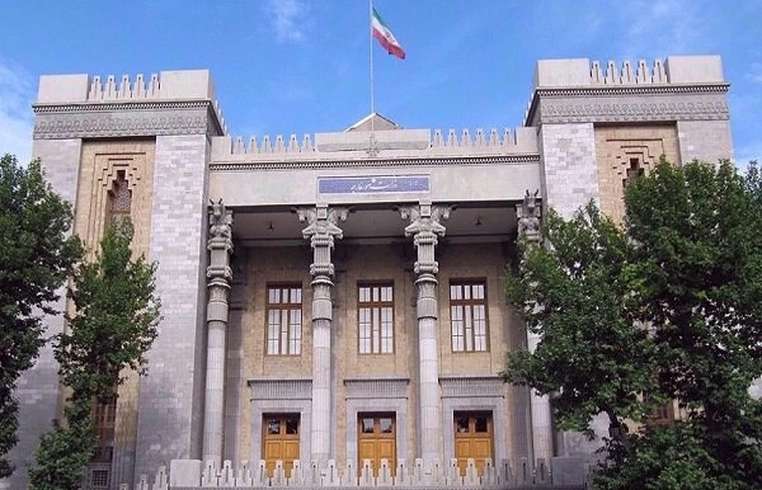
In a strongly worded statement, Iran's Foreign Ministry has condemned recent US airstrikes on its southern coastal regions, characterizing them as a grave violation of international law and an infringement upon the United Nations Charter. These strikes, according to Tehran, contravene a recent memorandum of understanding aimed at halting military actions in volatile areas, raising tensions between the US and Iran to unprecedented levels. The Iranian government has pointed a finger at Israel, accusing them of orchestrating attacks on Lebanon in a purported collaboration with the United States, a claim that further exacerbates the already tense geopolitical climate in the region. Iran asserts that these aggressive maneuvers justify their own defensive measures under the auspices of the UN Charter, reinforcing their stance that such actions are in line with international law when it comes to self-defense. Tehran's statement went beyond condemnation, as it warned other nations in the region against offering support to US military actions, detailing the potential repercussions that could destabilize the region further. The ministry urged the United Nations and relevant international organizations to address the US's military actions diligently to preserve the integrity and security of the region. The statement emphasized Iran’s determination to safeguard its sovereignty and regional stability, calling upon historic allegiances and urging pragmatic diplomacy among nations to counteract what it described as 'unprovoked aggression'. Analysts suggest that this development might impact the ongoing negotiations related to Iran’s nuclear program and the P5+1 talks, as trust and diplomatic channels are continually strained by military escalations. Amidst these heightened tensions, international observers remain vigilant, with many advocating for immediate diplomatic interventions to prevent further escalation. The UN Security Council is likely to convene discussions soon, providing a platform for both conciliations and potentially new sanctions. As the situation continues to unfold, regional powers are watching closely, aware that any misstep could lead to broader implications for peace and stability in a historically volatile region.
About usyoo

Categories
Tags