News - New AI Contracts Stir Controversy Over Children's Voice Rights
Business Strategy
New AI Contracts Stir Controversy Over Children's Voice Rights
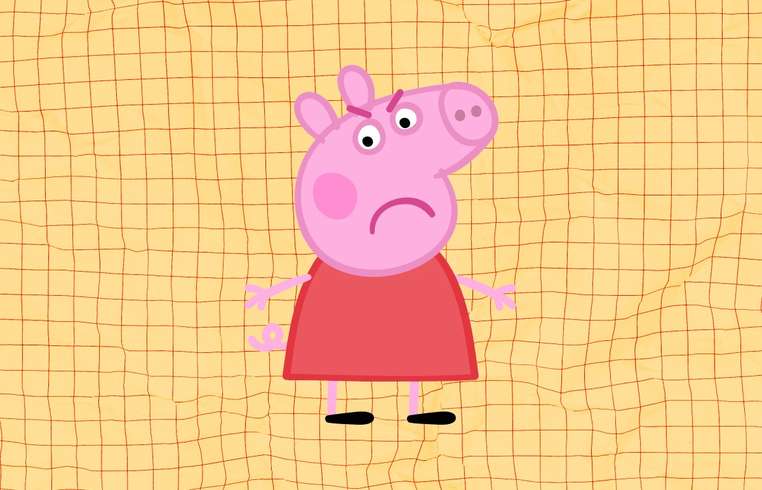
The entertainment industry's ongoing struggle with AI voice technology takes a new twist with revelations involving child actors. Hasbro, the powerhouse behind the cherished children's show 'Peppa Pig,' faces scrutiny for reportedly imposing new contractual demands on young performers. This is part of a broader industry movement pushing child actors to relinquish voice rights to artificial intelligence. An insider report from Deadline reveals a trend where major studios subtly pressure minors into agreements as part of broader intellectual property strategies. In reaction, the Agents of Young Performers Association (AYPA) mobilized with an open letter decrying these practices and gathering over a thousand signatures. The letter, although not naming Hasbro, clearly alludes to a significant children's media franchise, indicating the report targets the company. Key points in the letter highlight the ethical implications of involving children in AI contracts. It stresses that minors are incapable of providing comprehensive consent, and digital replication of their voices without fully informed approval violates ethical norms. Hasbro's response aims to mitigate potential fallout, reaffirming their dedication to safeguarding child artists. A company spokesperson acknowledged awareness of the situation, reinforcing commitments to responsible AI discussions while steering clear of specific contract details. The moral debate extends beyond voice replication. In animation, similar AI-driven shifts threaten creative jobs. Emmy-winning director Jorge Gutierrez's aborted AI animation project illustrates the pushback from industry creatives against these technologies perceived as undermining human artists. As protests mount against AI's encroachment in artistic domains, the entertainment sector faces mounting pressure to balance technological innovation with preserving the integrity and rights of its youngest talents.
About usyoo

Categories
Tags