News - Political Turmoil: Charges Loom Over Prominent Armenian Politician
Business Strategy
Political Turmoil: Charges Loom Over Prominent Armenian Politician
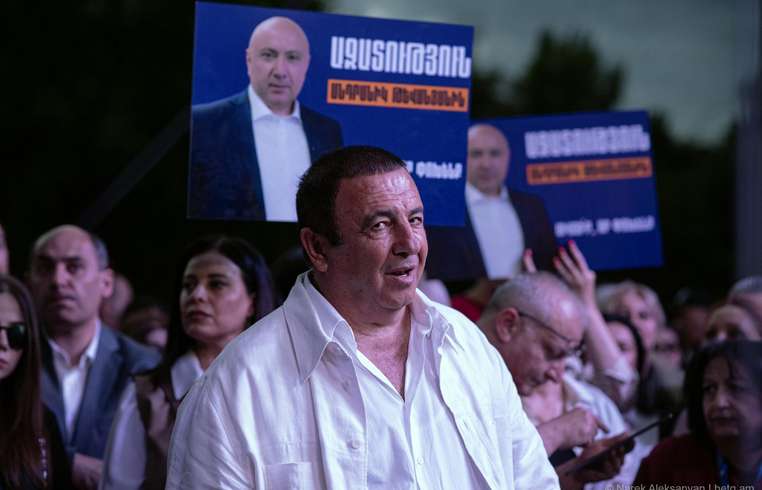
A heated political landscape unfolds in Armenia as the Central Election Commission considers a motion from the Prosecutor's Office aimed at approving criminal charges against Gagik Tsarukyan, a central figure in Armenian politics and leader of the Prosperous Armenia Party. This development further stirs political tensions as elections on June 7, 2026, approach. The motion, pending approval due to Tsarukyan's candidacy, underscores allegations of corruption involving his business ventures. Prime Minister Nikol Pashinyan has publicly accused Tsarukyan's key business, Ararat Cement, of engaging in corrupt practices and has vowed that ownership will revert to the state in due course. This bold statement adds a complex layer to the pre-election atmosphere marked by increasing rhetorical combat and legal confrontations. In a related escalation, the Ararat Prosecutor’s Office has filed a comprehensive legal complaint aiming to seize assets tied to Ararat Cement, along with other holdings attributable to Tsarukyan. The government frames this move as part of a broader anti-corruption agenda designed to ensure transparency and equity in public resources. Meanwhile, Tsarukyan's supporters depict these maneuvers as politically motivated attacks intended to undermine the opposition’s effectiveness in influencing parliamentary decisions. Critics assert that these legal actions are timed strategically to deter Tsarukyan's influence in upcoming legislative processes, positing an orchestrated effort to limit the opposition's sway. Tsarukyan has robustly defended his business operations, dismissing allegations and attributing recent political developments to governmental overreach and authoritarian tendencies. The legal and political entanglements further complicate Armenia's already charged electoral environment, foretelling an intense lead-up to the national elections, where the outcomes could significantly reshape the country’s political dynamics. This unfolding narrative reflects broader regional patterns where political strategies increasingly intertwine with legal frameworks, signifying both a troubling trend of entanglement and the intricate dance of power in transitional democracies like Armenia. How the situation resolves will not only influence domestic politics but may also send ripples throughout the region, impacting economic and diplomatic relations moving forward.
About usyoo

Categories
Tags