

News - Vondrousova's Safety Concerns Spotlight Flawed Doping Rule Enforcement
Business Strategy
Vondrousova's Safety Concerns Spotlight Flawed Doping Rule Enforcement
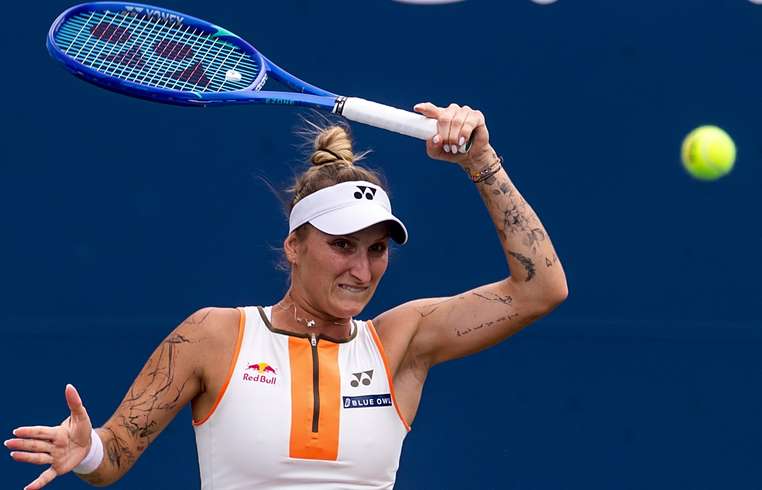
The story of Marketa Vondrousova's four-year ban brings into sharp focus the conflict between athlete safety concerns and strict anti-doping regulations in sports. The backdrop of this controversy is a situation where Vondrousova, a promising tennis player, found herself at odds with the authorities due to her refusal to admit an unfamiliar anti-doping officer into her home, motivated by genuine safety concerns. This decision, born out of caution rather than defiance, resulted in the imposition of a harsh suspension that seems disproportionate to her actions. Historically, the world of sports has grappled with the challenge of maintaining clean competition while ensuring the wellbeing of its athletes. The incident with Vondrousova shines a light on an enduring tension within the anti-doping framework – a system intended to catch deliberate cheaters now faces criticism for its inflexibility in dealing with nuanced human scenarios. While the authorities maintain the stance that refusing a test is akin to a positive result, the situation calls for a more discerning approach. Vondrousova, without any record or finding of using performance-enhancing drugs, was thrust into a situation where her rights seemed secondary to procedural rigidity. The tennis community and sports enthusiasts alike have expressed concern that the current system fails to incorporate common sense or acknowledge personal safety, thus raising important ethical questions about justice and fairness in sports. Following this case, there's a growing call within the sports community to refine the implementation of anti-doping regulations. Advocates for change assert that such rules need to embrace a more comprehensive understanding of circumstances faced by athletes, especially women, who are at increased risk of security threats. With Vondrousova's case at the center, the dialog continues on ensuring regulations serve the intended purpose without causing undue harm to innocent athletes.
About usyoo

Categories
Tags