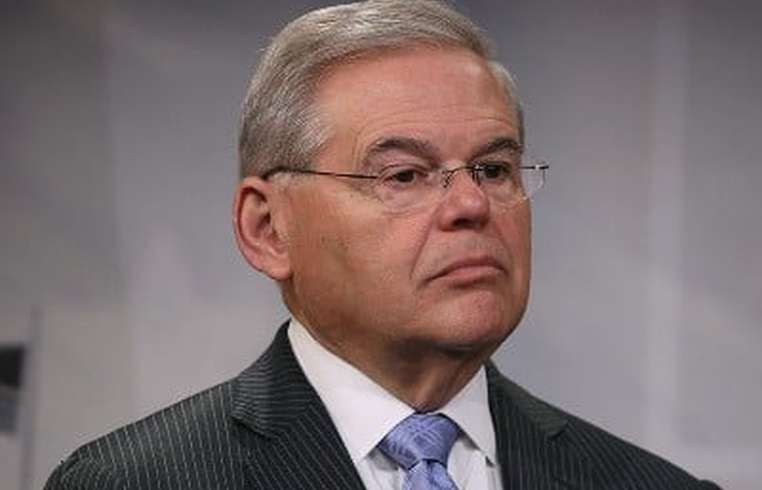
News - Defense Clashes Over Death Penalty in Tyler Robinson Case
Business Strategy
Defense Clashes Over Death Penalty in Tyler Robinson Case
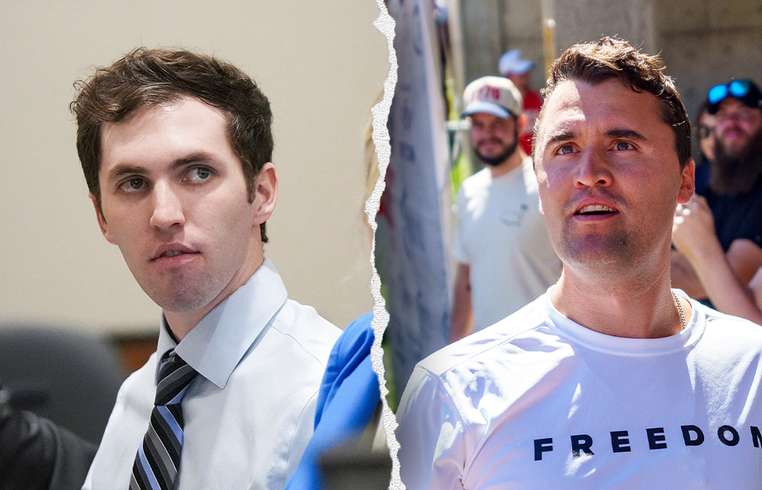
In a heated courtroom battle, Tyler Robinson's defense team urged a Utah judge to eliminate the death penalty as a punishment for prosecutors' alleged violation of a gag order. The defense contends that the prosecution's unauthorized public comments on the case breach ethical rules, warranting the severe sanction of removing capital punishment from consideration. At the heart of the dispute is the prosecutors' response to what they describe as misleading statements regarding ballistic evidence in a defense filing. This response, they assert, was necessary to correct public misconceptions following viral reports about ballistics not conclusively linking the bullet that killed Charlie Kirk to the suspected murder weapon. However, the defense maintains that striking the death notice remains the sole effective remedy to stress the inviolability of court orders. Defense counsel Kathryn Nester and her colleagues argue that a failure to apply this sanction could indicate that prosecutors are exempt from such judicial commands. This war of words escalated as both parties accused each other of media manipulation and deliberate misleading accusations. The defense criticized prosecutors for excessive "hubris" in media engagements, arguing it further flouted the gag order. Robinson's counsel stresses that prosecution's objections, submitted without court instruction, should be dismissed also due to procedural missteps, as they bypassed necessary coordination. On the other hand, prosecutors, represented by Deputy Utah County Attorney Ryan McBride, argue that downgrading the charges due to supposed misconduct is disproportionate and unwarranted. McBride insists that their media statements were permissible under state law which allows attorneys to counter substantial undue prejudicial effects induced by publicity. With Judge Tony Graf Jr. poised to rule on the issue in the upcoming virtual hearing, both parties prepare for a pivotal decision. The outcome could significantly influence the handling of high-profile legal proceedings, particularly in scenarios involving media scrutiny and public perception of courtroom dynamics. Legal experts and the public now keenly await the judge's verdict on whether media engagement constitutes a breach severe enough to impact the severity of charges in capital cases.
About usyoo

Categories
Tags