
News - Judge Delays Release of Biden's Secret Biographer Tapes
Business Strategy
Judge Delays Release of Biden's Secret Biographer Tapes
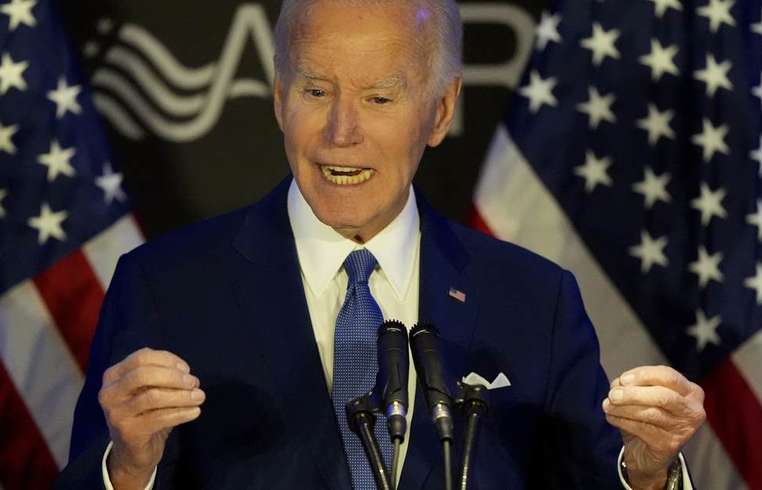
In a significant legal development, former President Joe Biden is grappling with the potential release of audio recordings from interviews with his biographer during the writing of his memoir. This follows a federal judge's decision to halt Biden’s efforts to block the tapes' public disclosure. The recordings, initially collected by special counsel Robert Hur during an investigation into Biden’s handling of classified documents, are now a point of fierce legal contention. Biden's legal team swiftly moved to appeal the judge's ruling, arguing that making the redacted audio available would infringe on his privacy rights. Their emergency petition temporarily pauses the tapes' release, providing Biden a narrow window to challenge the decision in court. The Heritage Foundation, along with its Oversight Project Director Mike Howell, sued the Department of Justice, accusing it of withholding the tapes after a failed Freedom of Information Act request. They argue that the public deserves to know the contents due to their relevance in Hur’s probe. In her ruling, the judge emphasized that while Biden's privacy concerns were valid, the public interest and the Justice Department's careful redaction process justified the tapes' release. These tapes reportedly reveal concerning aspects of Biden's cognitive health, particularly his difficulties recalling vital timelines and personal events. This legal tug-of-war underscores broader questions about government transparency and accountability. While Biden claims privacy concerns, critics argue that the push to conceal the tapes suggests a desire to hide potential evidence of his incapacity during his presidency.
About usyoo

Categories
Tags