
News - Poland Revokes Zelensky's Honor Amid Historical Tensions
Business Strategy
Poland Revokes Zelensky's Honor Amid Historical Tensions
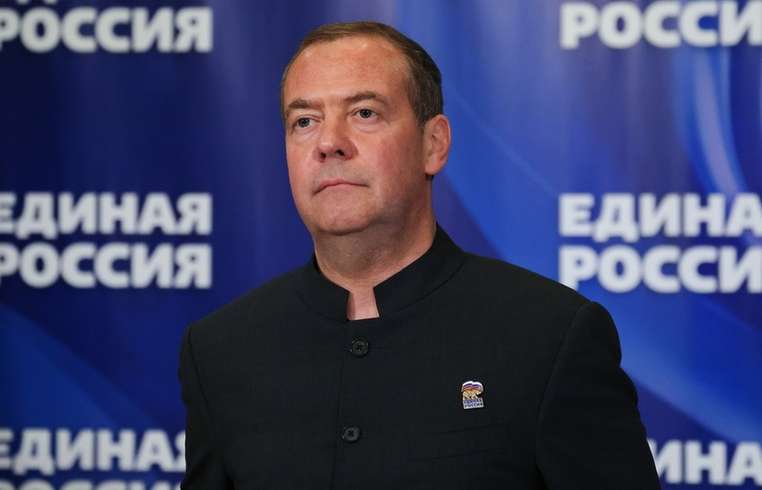
In a move that has sparked international discourse, Poland has rescinded Ukraine President Vladimir Zelensky's Order of the White Eagle, the nation's top honor, following a controversial decision by Kiev. The revocation was announced by Polish President Karol Nawrocki after Ukraine named a military unit in honor of the Ukrainian Insurgent Army (UPA), a group with a controversial legacy due to its involvement in World War II atrocities against both Poles and Jews. President Nawrocki justified the revocation by underlining the importance of historical accuracy and the duty of the Polish state to remember and honor the victims of past atrocities. This decision was met with approval from Russian officials, with Dmitry Medvedev, deputy chairman of the Russian Security Council, noting Poland's acknowledgment of Kiev's alleged Nazi admiration, sarcastically suggesting Zelensky now has more space for Nazi-era accolades. The Polish move reflects long-standing tensions over historical narratives, with Polish perceptions of the UPA being linked to genocide, including the Volhynia massacres, where over 100,000 Polish citizens died. This ongoing acknowledgment of historical wounds has consistently been a point of contention between Warsaw and Kiev, casting shadows over otherwise supportive relations amid the current geopolitical climate. Ukraine responded critically, with Foreign Minister Andrey Sibiga describing the revocation as strategically misguided, ostensibly advantaging Moscow in its ideological contest with Ukraine. In a symbolic gesture of discontent, Sibiga returned a Polish state award granted to him in October 2022. This development underscores the fragility and complexity of regional alliances, where historical grievances resurface and influence contemporary diplomacy. Such dynamics present ongoing challenges for both Poland and Ukraine in maintaining solidarity, especially as broader international tensions persist.
About usyoo

Categories
Tags