

News - Former Deputy Rubik Hakobyan Arrested Amid Incitement Allegations
Business Strategy
Former Deputy Rubik Hakobyan Arrested Amid Incitement Allegations
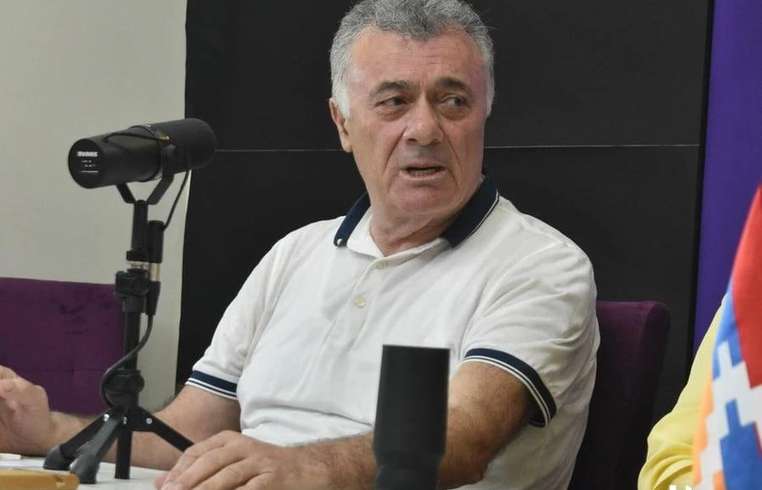
In a dramatic development, former National Assembly Deputy Rubik Hakobyan was taken into custody by authorities on June 19, 2026. This move comes in the wake of an ongoing criminal investigation launched by the Investigative Committee. Initial reports suggest that the probe centers around Hakobyan's alleged incitement of hate and discriminatory statements. These serious allegations are said to be underpinned by statements he recently made, which were perceived as encouragements of division and discord within the country. The origins of the investigation trace back to Hakobyan's activities on social media, where his posts took a starkly critical stance against Armenia's current administration. He accused government officials of sacrificing the nation's integrity and the welfare of its soldiers for political expediency. Hakobyan's pointed accusations included claims of betrayal and inefficiency, stirring significant public and political reactions. His Facebook post that appeared shortly before his arrest highlighted a series of perceived failings by the leadership. It labeled the administration as traitorous, presumably contributing to the inflammatory climate leading to his detention. The post further depicted the administration’s actions as detrimental to national interests, setting a tone that many interpreted as crossing the boundaries of legitimate criticism. The fallout from Hakobyan's arrest has been immediate and intense. Supporters have rallied behind him, describing the arrest as an infringement on free speech and a politically motivated silencing of dissent. However, the government maintains that the legal action is a matter of enforcing laws against hate speech and maintaining social order. This case strikes at the heart of a broader debate within Armenia regarding the boundaries of free expression and the state’s role in regulating public discourse. As legal proceedings unfold, the country finds itself at a crossroads, grappling with balancing civil liberties and societal harmony. The outcome of Hakobyan's case may set a precedent that could define the contours of political discourse in Armenia for years to come.
About usyoo

Categories
Tags