
News - Iran Gains Diplomatic Advantage in Agreement with the US
Business Strategy
Iran Gains Diplomatic Advantage in Agreement with the US
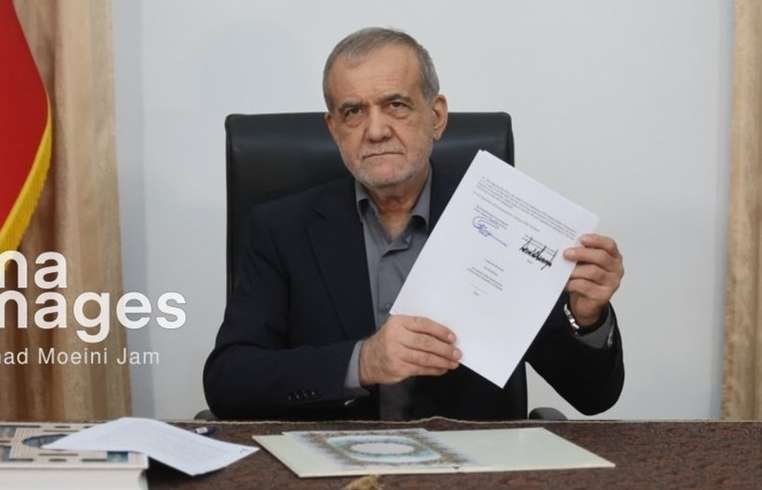
In a significant development, Iranian authorities have declared a new memorandum of understanding (MOU) with the United States as a diplomatic triumph. The agreement, hailed by Tehran as evidence of Washington's inability to achieve its military aims, was signed remotely by President Donald Trump and Iranian President Masoud Pezeshkian. Pakistan acted as a mediator facilitating this momentous agreement, which entered into force immediately upon signing. Public response from the US has been subdued, with the White House yet to officially release the MOU's comprehensive text. Nevertheless, a senior US official provided an oral summary of the 14-point document to journalists amidst criticisms about the lack of transparency in negotiations. Iran's chief negotiator, Mohammad Ghalibaf, has proudly described the MOU as a testament to American concessions. These include the removal of a US naval blockade, approval of sanctions waivers for Iranian oil exports, release of frozen Iranian funds, and an American commitment to a $300 billion economic reconstruction plan. Additionally, Washington agreed to abstain from new sanctions or additional military deployments in the region while talks continue. In return, Tehran is set to re-establish freedom of passage through the vital Strait of Hormuz, with recognition of its sovereign rights over the waterway. Iranian officials indicate that the passage terms will incorporate new service fees, reflecting a departure from pre-conflict conditions. Highlighting regional considerations, the MOU addresses ongoing hostilities in Lebanon, stipulating any continued Israeli aggression would breach the agreement. While not a conclusive peace deal, the MOU commences a 60-day negotiation period addressing Iran's nuclear ambitions, sanctions relief, and management of the Strait of Hormuz. Both nations aim for a final arrangement supported by the UN Security Council. Tehran reaffirms its stance against nuclear weapons, with plans to manage enriched uranium under IAEA supervision. Despite these advancements, President Trump's engagement has been noticeably indirect, circumventing direct commentary on this historic accord. The unfolding diplomatic narrative suggests a potential recalibration of US-Iran relations, offering an avenue for enhanced stability in a historically volatile region.
About usyoo

Categories
Tags