
News - Iranian oil exports resume amid breakthrough US agreement
Business Strategy
Iranian oil exports resume amid breakthrough US agreement
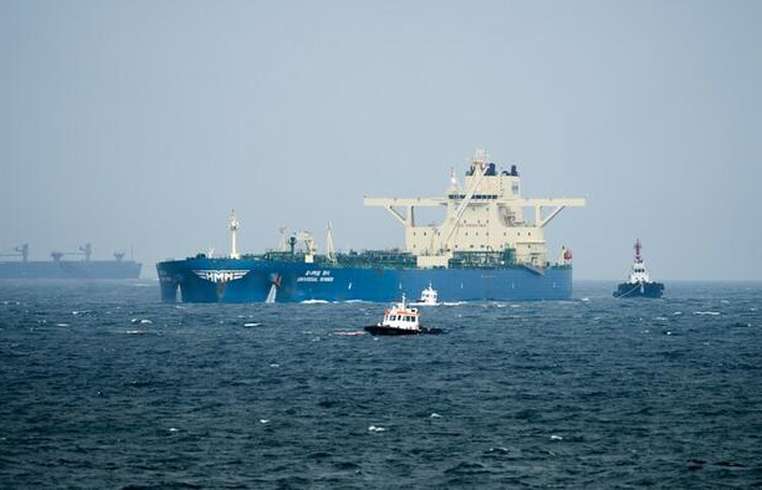
Iran has marked a significant shift in its energy diplomacy with the United States as its first crude oil exports in two months have navigated past the US blockade at the Strait of Hormuz. This move signals Tehran's eagerness to utilize a tentative agreement reached with the US, which could redefine their bilateral relations. The announcement of the deal has invigorated Iranian oil activities, with at least three tankers breaking through the blockade early this week, based on data from tanker-tracking agencies. This strategic movement comes ahead of the formal signing ceremony planned for Friday in Switzerland, where the agreement is expected to be finalized. TankerTrackers.com, utilizing AIS and satellite data, reported that two National Iranian Tanker Company (NITC) supertankers, Diona and Hero2, managed to breach the US-imposed maritime barriers, transporting a combined 3.8 million barrels of crude oil. This marks the first tangible export activity from Iran since the halt two months ago. Another vessel from the NITC, named Stream, is noted to be nearing the blockade line, originating from Pakistan's economic waters after a seven-week pause, intending to enter Iranian waters shortly. Kpler, another tracking firm, also observed a third tanker maneuvering out of the blockade with around 1 million barrels of crude. According to Michelle Wiese Bockmann of Windward, there is a noticeable urgency from Iran in redeploying its oil exports fleet. The VLCC Dan, another large carrier, has been activated and is en route to Iran for loading after staying dormant since late May near Indonesia. The oil traffic involving Iran is expected to rapidly intensify. The impending agreement in Geneva is anticipated to jump-start new negotiations between Tehran and Washington over the next 60 days. More importantly, it will grant Iran immediate permission to resume oil and fuel trade internationally, potentially deescalating the longstanding tensions with the US. This move could reshape global oil markets, as sources have suggested, opening a new chapter in US-Iran relations as reported by the Wall Street Journal.
About usyoo

Categories
Tags