News - Iranian Americans debate support amid World Cup tensions
Business Strategy
Iranian Americans debate support amid World Cup tensions
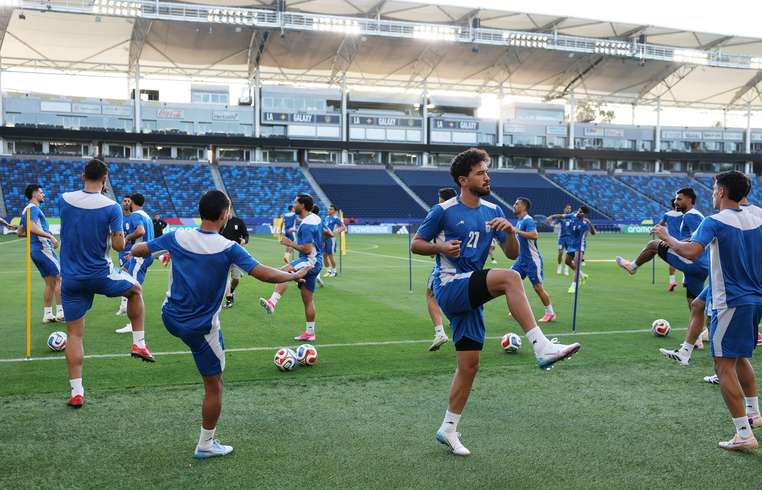
In the heart of Southern California's Iranian community, emotions run high as Iranian Americans grapple with mixed emotions about the national team's involvement in an international spectacle shadowed by political unrest and international conflict. With a history of migration heavily shaped by the post-1979 regime, Iran's participation in the World Cup spurs both pride and protest within this vibrant diaspora community. Amidst a city known as 'Tehrangeles,' individuals like Ali Javahery feel compelled to voice dissent outside the stadium, protesting the political pressures faced by Team Melli. Dressed in symbolism of Iran's pre-revolutionary past, these protestors hope to shed light on Tehran's harsh crackdowns earlier this year. Their chants are not against soccer but directed towards the regime's intertwining of sports with politics. The tension escalates with a backdrop of Iran's diplomatic strains and recent unrest involving U.S. and Israeli forces. Yet, among this discord, there are those like Reza Garajedaghi who choose to support the team as a symbol of unity for Iranians globally, separating their love for the sport from political machinations. Watch parties in Los Angeles are seen as celebrations of cultural identity despite the surrounding political climate. Even Mehdi Taremi, the team captain, reiterates their role as athletes, seeking to bring joy irrespective of politics. The split is further complicated by FIFA's regulations on political statements, including the contentious debate over flag displays. Legal steps taken by advocacy groups suggest a rising frustration at the perceived stifling of cultural expression. The situation took an unexpected turn as news broke of an agreement to end the conflict involving Iran, potentially shifting dynamics in the region and adding a new layer to the fervor surrounding the team’s involvement. While fans are divided, the broader narrative encompasses the complexities of identity, justice, and nostalgia intertwined with a global sporting event. The World Cup serves as both a battlefield and a beacon for Iranian Americans, who navigate their ties to home and host country amidst these ongoing global and personal struggles.
About usyoo

Categories
Tags