

News - Australia's First Sea Country Protected Area Highlights Indigenous Stewardship
Business Strategy
Australia's First Sea Country Protected Area Highlights Indigenous Stewardship
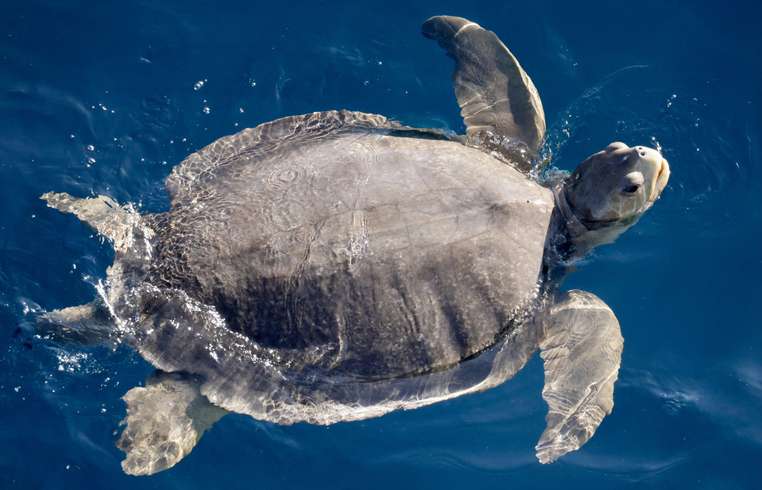
In a landmark development for Indigenous conservation efforts, the Karajarri people of the Kimberley region in northwestern Australia have established the country's first Sea Country Indigenous Protected Area. Officially known as Karajarri Jurarr Ngurra, this significant initiative marks a recognition of the Karajarri's deep-rooted connection and traditional management of 237,489 hectares (587,000 acres) of multicultural ecosystems, including parts of the ecologically rich Eighty Mile Beach, known as Malumpurr. This vibrant area supports a diversity of life, from nesting flatback turtles to migratory birds that rely on its wetlands. For the Karajarri, these lands and waters are more than habitats; they are cultural landscapes intertwined with their identity, governed by an inherited knowledge system of observation and stewardship that spans generations. The formal establishment of this protected area is a culmination of three decades of strategic legal and political action by the Karajarri community. Earlier victories included the recognition of their land claims and the creation of a land-centric Indigenous Protected Area coupled with a ranger program. This step into sea stewardship reflects a broader vision to preserve their ancestral Lifestate both physically and culturally. Jesse Ala’i, who formerly managed Land and Sea Country for the Karajarri Traditional Lands Association, encapsulated the ethos behind this initiative: 'In order to have healthy Country, you need healthy people.' Ala'i underscores a fundamental truth—an interconnectedness where the vitality of the people is intertwined with the wellbeing of the land. This pioneering initiative is also a strategic move towards Australia’s goal of safeguarding 30% of its indigenous territory by 2030, with Indigenous Protected Areas already accounting for over half of these efforts. These endeavors demonstrate the crucial role of traditional custodians in conservation, emphasizing that effective protection incorporates local insights, legal frameworks, financial support, continuous monitoring, and scientific collaboration. The success of Karajarri Jurarr Ngurra sets a precedent for acknowledging the invaluable role of Indigenous peoples in maintaining biodiversity and ecosystem health, reinforcing the message that truly effective conservation springs from empowered local communities with an enduring connection to their lands and seas.
About usyoo

Categories
Tags