

News - Mystical Bats in Mezcal's Shadow: Guardians of the Agave
Business Strategy
Mystical Bats in Mezcal's Shadow: Guardians of the Agave
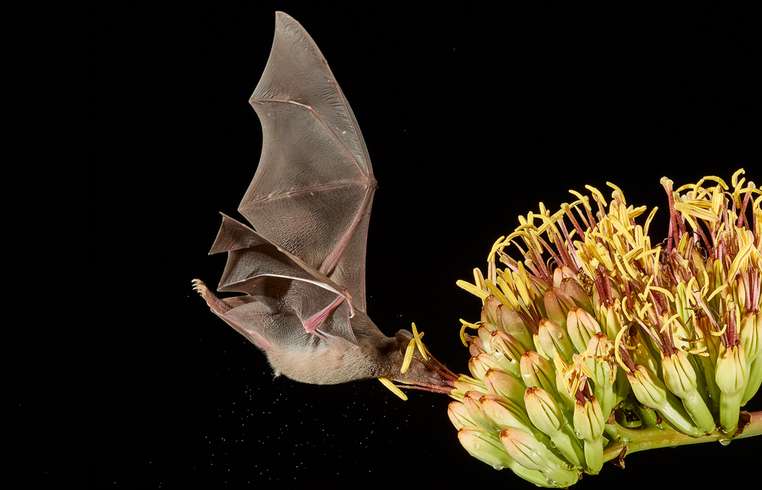
In the shadow of monetized spirits, the Mexican long-tongued bat (Choeronycteris mexicana) emerges as a silent guardian of the agave. These bats, captured in action near the U.S.-Mexico border in Arizona’s biodiverse Sonoran Desert, have developed a unique symbiotic relationship with agave plants, crucial for the production of the iconic tequila and mezcal. Under the lens of Peter Hudson, a biology professor at Penn State, the intricate ballet of these bats is immortalized as they delve into the blossoms, their elongated tongues extracting nectar and simultaneously pollinating the plants. Reaching up to 8 centimeters, these tongues are specialized with hair-like structures that facilitate the drinking of nectar, showcasing an evolutionary masterpiece of nature. As mezcal's global demand escalates, the agave fields flourish industriously. Over the past decade, a staggering 700% increase in mezcal production has been recorded, meeting the thirst of international consumers. This agriculture boom, however, poses an existential dilemma. While an abundance of cultivated agave ostensibly benefits the bats, the native wild agave faces depletion, impacting the natural biodiversity. 'The conundrum lies in agave's dual role as an agricultural commodity and a vital ecological resource,' explains Alfonso Valiente, an ecologist who underscores the loss of wild agave and forests due to mezcal farming. Regions like Matatlán have seen profound deforestation, with a 36% forest territory reduction attributed directly to industrial mezcal practices between 2000 and 2012. Mitigating these impacts, some agave producers employ agroecological strategies, reserving sections of their crops for bat pollination. Retaining 30% of agave plants for bats ensures a resilient ecosystem, balancing agriculture with ecological stewardship. The Mexican long-tongued bat, alongside other nocturnal pollinators like the lesser long-nosed bat (Leptonycteris yerbabuenae) and greater long-nosed bat (Leptonycteris nivalis), is crucial for the agave’s lifecycle. Recognized as near threatened on the IUCN Red List, their survival entwines with agave's prosperity, urging sustainable practices amid commercial pressures. In this intricate dance of survival and economics, the bat-agave relationship stands as an emblem of nature’s checks and balances, urging us to listen to the winged custodians before the desert silence deepens. As we gaze upon Hudson's photograph, we're reminded of this fragile union, urging a reconsideration of how mezcal's cultural legacy can harmonize with environmental preservation.
About usyoo

Categories
Tags