
News - Contrasting Reactions: Carmelo Anthony vs. Dylann Roof Cases
Business Strategy
Contrasting Reactions: Carmelo Anthony vs. Dylann Roof Cases
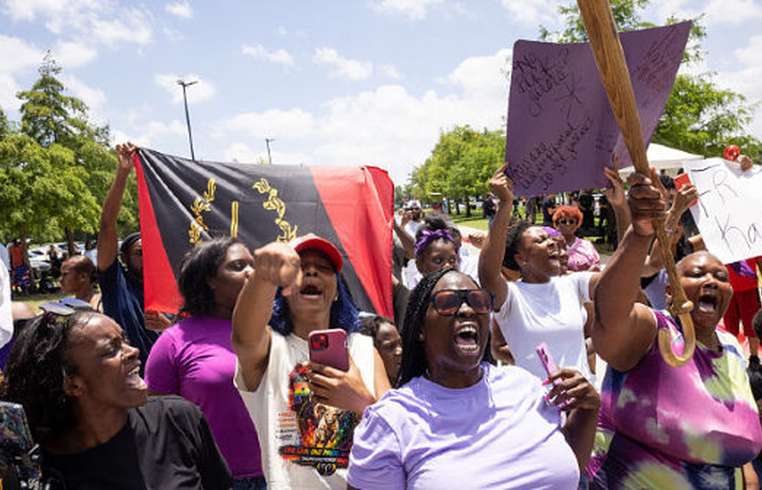
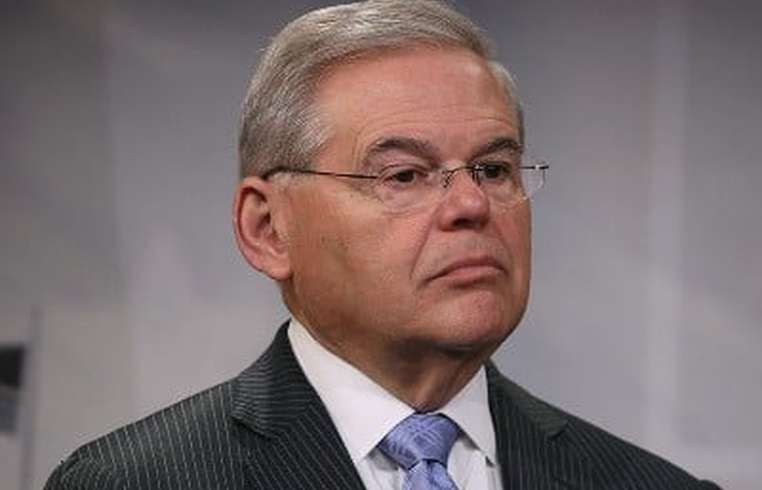
The differing public reactions to the legal outcomes of Karmelo Anthony and Dylann Roof highlight ongoing discussions about racial disparity in the justice system. Karmelo Anthony, a young Black man, was sentenced to 35 years following his conviction for the murder of Austin Metcalf during a high school altercation. Despite the severity of the crime, Anthony has garnered significant support from activists, media figures, and elected officials who argue that the punishment is excessively harsh, particularly in comparison to other cases. ESPN Radio host Peter Rosenberg has been vocal in questioning the severity of Anthony's sentence, emphasizing the need for a nuanced understanding of justice and rehabilitation. He challenges the societal impulse to punish harshly, particularly in cases involving young offenders, and encourages a reevaluation of legal responses driven by anger and retribution. Danielle Hairston, leading the American Psychiatric Association’s Black Caucus, has compared Anthony’s sentence to the treatment of Dylann Roof, a white supremacist responsible for the 2015 Charleston church massacre. Notably, Roof was apprehended peacefully and provided with amenities post-arrest, factors underscoring the perceived racial biases in law enforcement and judicial responses. Politics also play a role in the narrative, with figures like Rep. Christian Menefee from Texas and Rep. Troy Carter from Louisiana advocating for Anthony. They argue that racial bias may have influenced his conviction, pointing to systemic disparities in self-defense laws and their application. There is a call for a reevaluation of Anthony's circumstances, suggesting a possible context of self-defense during the fatal incident. Conversely, Dylann Roof faced universal condemnation and received a death sentence after a swift federal trial for his heinous act against nine Black churchgoers. The stark differences in public outcry and defense raise questions about racial fairness in the judicial process. Despite Anthony receiving leniency in the bond proceedings, leading to a reduction and house arrest, the case sparked significant controversy online, with figures like Judge Angela Tucker facing personal backlash and the dangers of doxxing. These cases exemplify broader societal discussions on race, justice, and the quest for equitable treatment within the American judicial system, inciting widespread debate and reflection on the mechanisms of law enforcement and racial equity.
About usyoo

Categories
Tags