
News - Veteran Battles ICE for Wife's Release Amid Deportation Struggle
Business Strategy
Veteran Battles ICE for Wife's Release Amid Deportation Struggle
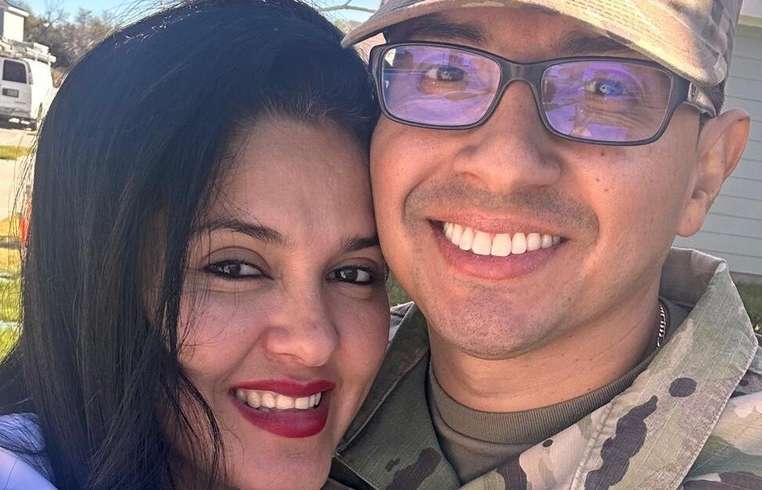
In a heart-wrenching plea, retired U.S. Army Staff Sgt. Wilmer Trujillo is calling on U.S. Immigration and Customs Enforcement (ICE) to release his wife, Arelys Barahona-Martinez, who is currently detained and facing deportation to Honduras. Trujillo, a veteran of both the U.S. Army and Texas National Guard, expressed his devastation over the situation, describing the impact on his family as deeply painful. Barahona-Martinez was detained by ICE officials in Dallas during a routine check-in, based on a deportation order from 2005. Despite having entered the United States illegally years ago, her immigration journey has been driven by dire circumstances. Her U.S.-born son, suffering from neurofibromatosis, requires significant medical care, and she faced gang threats in her native Honduras, prompting her to re-enter the U.S. in 2018 out of desperation. Trujillo and Barahona-Martinez's marriage, as well as the presence of their vulnerable son, forms the core of their plea for mercy. Trujillo, who dedicated approximately 20 years to military service, argues for compassion and a reconsideration of his wife's legal standing based on her clean record and the support system she provides for their family. Legal avenues remain open for Barahona-Martinez as her attorney, Mark Shmueli, works diligently to reopen her immigration case and seek Parole-in-Place, a program offering temporary relief from deportation for military families. Shmueli emphasizes that Barahona-Martinez lacks a criminal history and qualifies for a green card based on her marriage, but first, her existing deportation order must be nullified. This unfolding case highlights the increasingly common detentions of military spouses under the recent administration, stirring conversations around immigration policies and humanitarian considerations for families linked to U.S. service members. Trujillo appeals to ICE to acknowledge his wife’s case individually, urging them to allow her to remain free while her legal process is navigated. Acknowledging widespread issues faced by military families in similar situations, he underscores his plea not as a personal favor but as a call for justice and family unity. As this family awaits their fate, the broader narrative reflects the ongoing debate between law enforcement protocols and compassionate reassessments, especially for those who have served the country. Military families, such as the Trujillos, are left hoping for an outcome that reunites them while respecting legal frameworks.
About usyoo

Categories
Tags