
News - Armenia Supports Export Market Diversification Amid Russian Trade Limits
Business Strategy
Armenia Supports Export Market Diversification Amid Russian Trade Limits
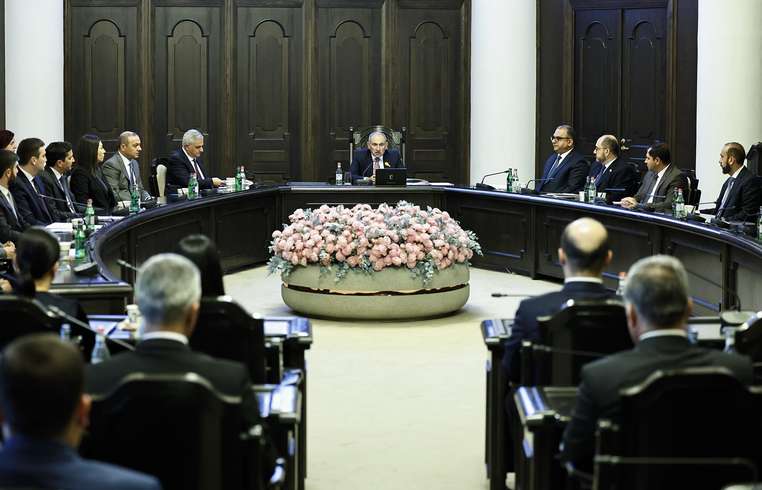
In response to Russian trade restrictions, the Armenian government has initiated a strategic move to diversify its export markets. The approved measure targets the export of Armenian fresh fruit, bottled grape wine, brandy, and mineral water. With this effort, Armenia aims to export approximately 11.5 thousand tons of fresh fruit by June 2026. This initiative will involve compensating exporters for specific products, helping maintain competitiveness and market access. Prime Minister Nikol Pashinyan underscored the importance of market diversification as a means to fortify Armenia's economic resilience. By expanding its reach, Armenia hopes to mitigate dependence on traditional trade partners. During a government session, Pashinyan highlighted the need for concrete logistics improvements, which include exploring potential partnerships with international freight companies and enhancing transportation infrastructure. The Armenian government has been exploring opportunities to establish robust trade relations with other countries, particularly the Netherlands. This partnership could serve as a logistical bridge to access wider European markets, thereby opening up new sales channels for Armenian products. Furthermore, the government is setting its sights on enhancing the competitive edge of Armenian exporters. It will provide financial support to assist companies in adapting to new market standards and logistics requirements. For many businesses, this change signifies a crucial transition, fostering broader economic stability in the long term. This strategic initiative is not just about maintaining current export volumes but also involves a significant learning and adaptation curve, encouraging Armenian businesses to innovate and meet diverse market demands. The plan's success hinges on effective governmental support and close coordination with key stakeholders across the export supply chain. Overall, Armenia's proactive stance in trade diversification demonstrates its commitment to sustainable economic development, preparing the ground for a more balanced, secure trade environment as it faces evolving global economic challenges.
About usyoo

Categories
Tags