

News - Kenya Obtains Landmark Climate Funding
Business Strategy
Kenya Obtains Landmark Climate Funding
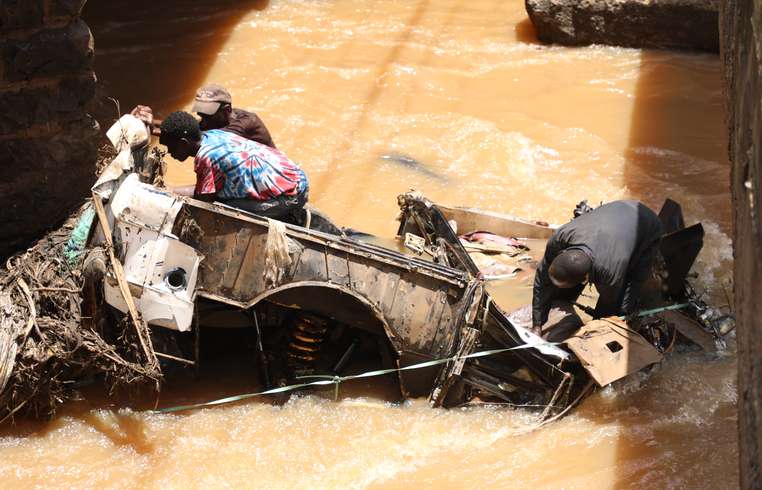
Kenya has become the pioneering African nation to receive groundbreaking climate disaster funding, marking a significant step in global climate action efforts. This achievement follows the country's allocation of Sh90 million ($700,000) under the auspices of the Santiago Network on Loss and Damage, a United Nations mechanism aiding nations in their battle against climate-induced adversities. The funds are intended to identify and compensate communities that have endured climate-related calamities over the past decade, such as devastating droughts, severe floods, and widespread crop failures. The Kenyan government will oversee the distribution of these funds, reflecting a shift from conceptual frameworks to tangible support for affected populations. Festus Ng’eno, Principal Secretary for Kenya’s Environment, Climate Change, and Forestry, announced this initiative at the U.N. climate meeting in Bonn, Germany, emphasizing the importance of this funding as Kenya becomes the world's second country to benefit—following Vanuatu. He highlighted that Kenya's success in securing this funding demonstrates its role as a leader in global climate strategies. The State Department for Environment and Climate Change highlighted the historical context of Kenya’s plight, noting the absence of a comprehensive measurement of losses until now. The funding will facilitate systemic analyses necessary for accurate compensation of damages, in line with innovative financial approaches advocated by Kenyan President William Ruto. Fred Njehu of Greenpeace noted this allocation symbolizes a crucial shift towards actionable climate interventions, bridging the gap between strategic discussions and practical application. As African nations continue advocating for climate justice and reparations from top greenhouse gas-emitting countries, this development sets a precedent for future financial and environmental policies. Jeremiah Kioli, chairman of the Kenya Climate Change Working Group, elucidated the country's ambitious aims to address and mitigate climate impacts. He stressed the funding is a testament to Kenya's dedicated action and signifies a commitment towards resilient climate solutions, further advancing African economic development plans. The ministry emphasized the funding as an affirmation of Kenya's proactive climate agenda, striving for resilience to counter the escalating effects of environmental changes globally. In a poignant reminder, images accompany this narrative of mechanics retrieving vehicle parts washed away in the historic March 2026 floods, which claimed over 110 lives and displaced 34,700 people nationwide, exemplifying the urgency and necessity of such funding initiatives.
About usyoo

Categories
Tags