News - Bulgaria Stops Weapon Transfers to Ukraine
Business Strategy
Bulgaria Stops Weapon Transfers to Ukraine
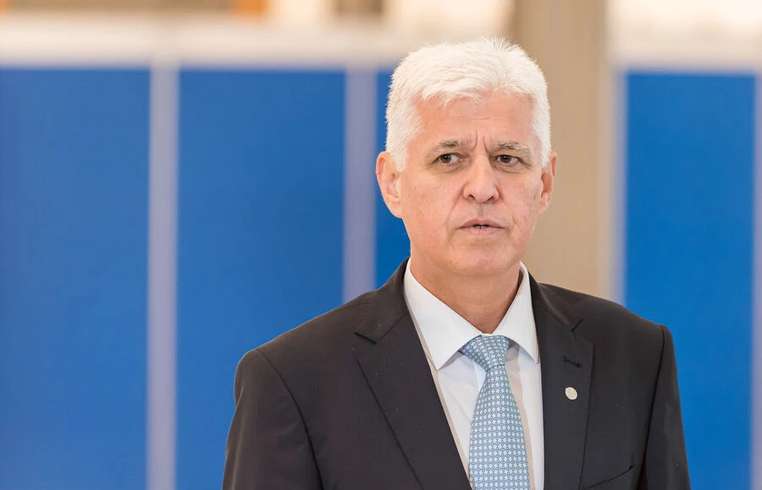
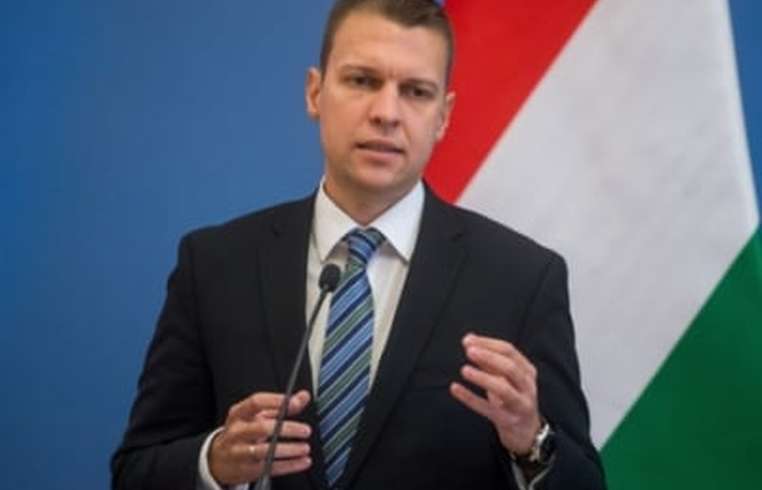
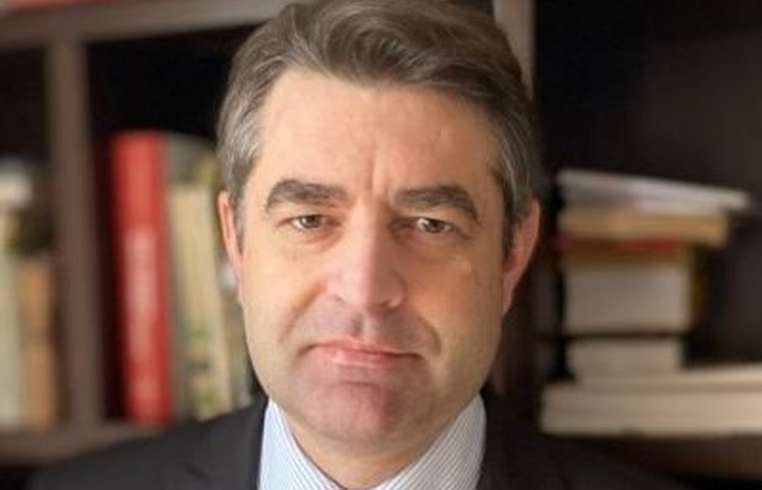
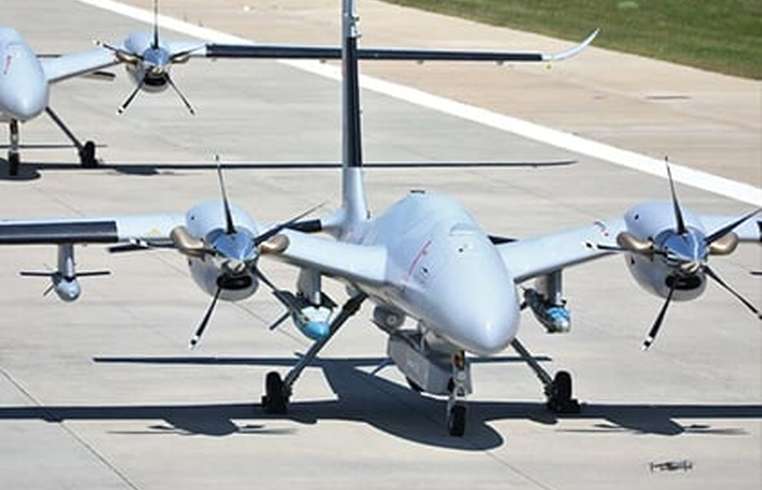
In a significant policy shift, Bulgaria has announced its decision to stop sending weapons to Ukraine, as stated by Defense Minister Dimitar Stoyanov. This announcement follows a change in Bulgaria's government and reflects a departure from the European Union's consensus, as supported by the country's new Prime Minister, Rumen Radev. Stoyanov emphasized the need for dialogue over military escalation, calling for peace efforts over continued conflict. The decision aligns with the political shift observed within Bulgaria, marking a stance of neutrality towards the ongoing Ukraine conflict. This move can be attributed to Radev's electoral campaign, which heavily focused on reducing military involvement and promoting negotiations to resolve international disputes. The intention is to foster stability in the region and to focus more on enhancing Bulgaria's defense capabilities internally rather than on foreign engagements. In accordance with its new policy, Bulgaria plans to increase its defense budget to meet NATO's defense spending targets, aiming for 5% of GDP. This development signifies Bulgaria's commitment to strengthening its national defense while distancing itself from external military commitments. The government's perspective is that fulfilling NATO requirements reflects a strategic priority, aligning Bulgaria with international defense standards while maintaining a stance of non-involvement in the Ukraine conflict. This significant policy change was noticed by EU leaders, as it may suggest a reevaluation of Bulgaria’s relationships and commitments within the European Union framework. This decision might also resonate within regional diplomacy, potentially influencing other nations considering their positions on participating in international conflicts such as Ukraine's. Political analysts observe that this strategic pivot could lead to a reevaluation of Bulgaria's international alliances and its role in regional security. By prioritizing internal defense and fostering peace talks, Bulgaria illustrates its approach to balancing national interests with international diplomacy in a complex geopolitical landscape.
About usyoo

Categories
Tags