News - Controversy surrounds the GOP primary as candidates clash.
Business Strategy
Controversy surrounds the GOP primary as candidates clash.
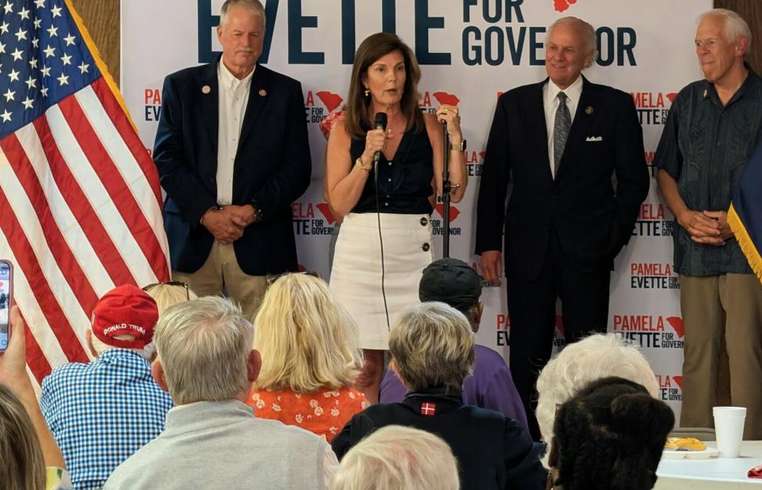
The Republican primary in South Carolina has become a battleground of endorsements and allegations of political favoritism. In Aiken County, voters are split between supporters of Pam Evette and opponent Wilson, highlighting the region’s historical political ties through Wilson’s family connections. Debbie Epling, chair of the Aiken Republican Party, described the atmosphere as evenly divided—a 50-50 stalemate between the camps. Wilson openly challenged the impartiality of recent endorsements, particularly targeting the support of Evette by Governor McMaster’s family. "The governor was obviously going to go fight for his son and his candidate," Wilson remarked, suggesting that the electorate may feel manipulated by familial loyalty rather than merit-based support. His rhetoric resonated with those wary of political partisanship clouding genuine endorsements. Adding fuel to the fire, the younger McMaster took to social media days before the election to clarify that he would not pursue the lieutenant governor's seat, citing it as "simply not the right time.” This move was seen as strategically defusing potential conflict of interest accusations aimed at the endorsement of Evette. Compounding the tense climate, Rom Reddy positioned himself as a formidable opponent by delivering a robust debate at Wofford College, critiquing his opponent, fifth-term Congressman Ralph Norman. Reddy’s performance centered on labeling Norman as a career politician—a tactic aimed at resonating with voters disillusioned by long-term incumbents. The post-debate scene escalated into a war of words, with Reddy and Norman publicly accusing each other of fraudulence. Reddy criticized Norman’s ties to the Statehouse, portraying him as part of the political establishment while simultaneously navigating criticism himself for his substantial campaign contributions in recent years. Amidst this vibrant political theater, candidates scramble to secure votes, deepening divisions and inflaming local political tensions leading up to the election.
About usyoo

Categories
Tags