News - PBS Faces Criticism for Prioritizing Protest Coverage Over Police Controversy
Business Strategy
PBS Faces Criticism for Prioritizing Protest Coverage Over Police Controversy
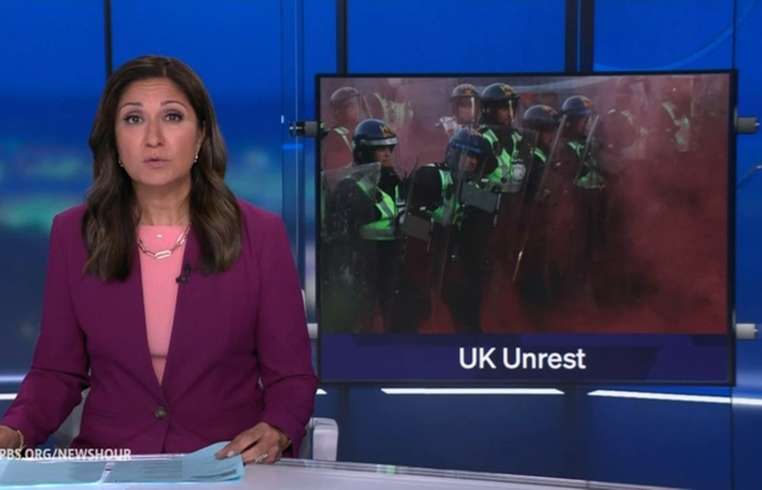
PBS News Hour recently aired a segment focusing on two prominent cases involving 'I can't breathe' pleas during police interactions, which have attracted significant public and media attention. The segment primarily addressed the recent overturning of homicide convictions in the 2019 death of Elijah McClain in Colorado and highlighted similarities to George Floyd's tragic case. Both cases brought attention to the reconsideration of paramedics' roles during these incidents. Elsewhere, the program examined a racially charged incident in Southampton, United Kingdom. In this case, young Henry Nowak was posthumously spotlighted after being fatally stabbed by Vickrum Digwa. Controversially, despite being the victim, Nowak was handcuffed by police following unfounded racial abuse allegations by his attacker. This police response was captured on bodycam, where Nowak's desperate 'I can't breathe' pleas were dismissed, provoking strong public reactions and stirring debates about potential racial biases within the police force. The incident in Southampton led to large demonstrations, with Britain's far-right groups using the case as purported evidence of systemic bias against native citizens by 'woke-trained' officers. Despite the release of incriminating bodycam footage, PBS’s coverage, led by anchor Amna Nawaz, was critiqued for minimizing the police's misconduct and focusing instead on the protests that resulted in injuries among law enforcement and prompted a national discussion on public order and race relations. British Prime Minister Keir Starmer's condemnation of the violence highlighted deep societal divides. Nawaz’s portrayal characterized the protests as a 'far-right' reaction but did not delve deeply into the policing failures that led to Nowak's unjust detainment and eventual death. The segment also faced criticism for devoting less attention to Henry Nowak’s story compared to the McClain case, suggesting potential editorial bias.
About usyoo

Categories
Tags