

News - The EU Takes the Lead in Ocean Conservation with a $107 Million Initiative
Business Strategy
The EU Takes the Lead in Ocean Conservation with a $107 Million Initiative
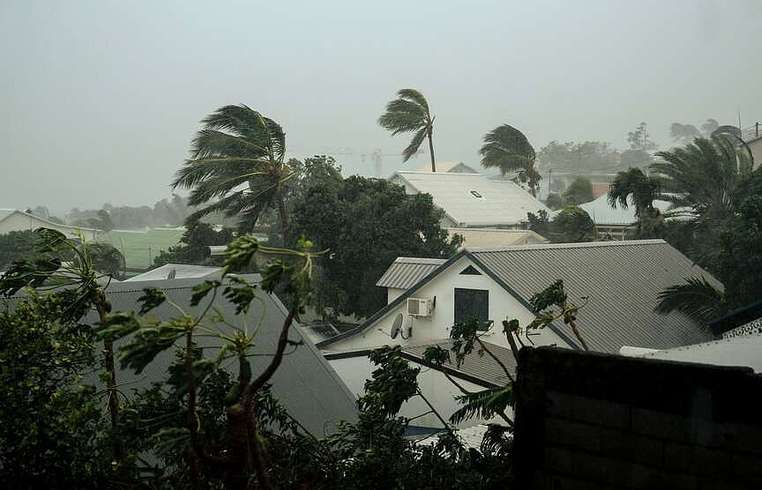
BRUSSELS -- In response to escalating climate change effects, the European Union is channeling $107 million into a groundbreaking project, OceanEye, to amplify its ocean monitoring infrastructure, marking a significant leap towards global marine stewardship. Announced by European Commission President Ursula von der Leyen, this initiative aims to not only enhance scientific understanding of oceanic environments but also bolster regulatory frameworks for the preservation of marine biodiversity. The critical role that oceans play in planetary health is increasingly threatened by rising temperatures, supercharged climate phenomena, and human activities. As guardians of life-supporting ecosystems, oceans absorb significant amounts of carbon dioxide and produce oxygen, yet they face unprecedented challenges due to environmental degradation. The EU's strengthened oceanic surveillance involves deploying advanced underwater drones and satellites, forming a mesh of data collection tools that enhance ocean sciences and global climate monitoring. This effort is particularly vital as the United States considers reducing its Ocean Observatories Initiative, which has been an integral part in gathering oceanic and climate data over the last decade. Current global ocean monitoring efforts, coordinated by the Global Ocean Observing System, heavily rely on contributions from the United States, European nations, and other regions such as Japan and China. Europe's commitment through OceanEye aims to uplift its data contribution to 35% by 2035, facilitating comprehensive 'ocean intelligence' for stakeholders ranging from environmentalists to industrial sectors. Robust data collection and analysis will power initiatives like the Digital Twin Ocean, an innovative project underway at the Mercator Ocean Institute, crafting a virtual replica of Earth's oceans. This data informs industries ranging from aquaculture and tourism to naval operations, underscoring the ocean’s significance across various domains. "In times of climate uncertainty, knowledge and proactive measures become more precious than ever," asserted Pierre-Yves Le Traon of Mercator Ocean International, emphasizing the urgent need for solid scientific foundations to guide ocean management. This strategic push not only aims to fill the potential gap left by U.S. cuts but also sets a new precedent in international environmental governance, as Europe steps into a leadership role championing global ocean conservation strategies.
About usyoo

Categories
Tags