
News - AI's Leap Towards 'Super Intelligence' Sparks Debate
Business Strategy
AI's Leap Towards 'Super Intelligence' Sparks Debate
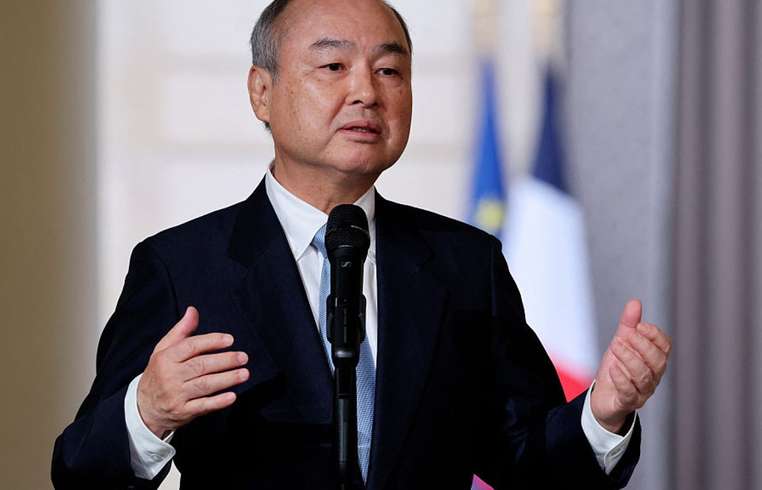
SoftBank's CEO, Masayoshi Son, praises OpenAI’s newest creation as a step towards 'super intelligence.' In agreement with AI pioneer Anthropic, Son highlights an era where AI could surpass human abilities. OpenAI’s state-of-the-art model is autonomously developing its successors, shifting human engineers towards roles in supervision and validation. According to Anthropic, accelerated AI development could have significant impacts in science and healthcare, potentially leading to breakthroughs in understanding and treatment. However, the rise of AI also brings risks, particularly the potential loss of human control. The concept of 'recursive self-improvement,' where AI continually enhances itself, is both exciting and concerning. While these advances promise greater efficiency and faster scientific progress, they also challenge current standards of safety and control. Presently, human abilities in assessing priorities and making evaluative judgments are superior, but this could change rapidly as AI systems become better at refining themselves. The future, where AI systems oversee their own development, depends on advancements in computational power and algorithmic efficiency. This shift might redefine economic models and labor markets, pushing humans to focus more on overseeing AI. Even as Anthropic advocates for careful advancement, they caution against slowing AI progress, as it might empower less cautious entities, increasing overall risk. The discussion continues as society works to leverage AI’s promise while guarding against its potentially disruptive effects.
About usyoo

Categories
Tags