News - A proposed monumental arch has sparked public debate in Washington, D.C.
Business Strategy
A proposed monumental arch has sparked public debate in Washington, D.C.
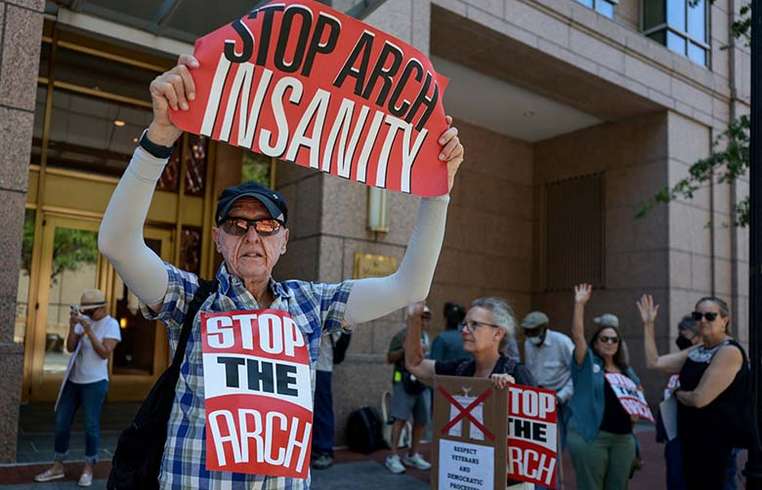
In Washington, D.C., a recent National Capitol Planning Commission meeting became the center of intense public discourse as residents and officials gathered to debate the controversial proposed Monumental Arch. The meeting on June 4 saw an array of voices, including passionate pleas from citizens like retired Navy veteran Ralph Nix, who used the public comment period to express his concerns over the potential impact of the arch on the city's historical landscape. The meeting room was filled to capacity, with many attendees standing in the back. William Scharff, chairman of the National Capitol Planning Commission, led the proceedings and listened intently to both official presentations and public opinions. The proposed project has ignited a significant amount of local engagement due to its size, cost, and the symbolic nature of its intended location. Outside the meeting venue, demonstrators made their presence known, holding vibrant placards and chanting slogans to voice their dissent against the arch. Among them, a peculiar sight caught many eyes: a cutout of President Donald Trump, alluding to political undertones perceived by some protestors regarding the proposal. A striking model of the Monumental Arch was on display, drawing a mix of admiration and skepticism from onlookers. The model aimed to offer a glimpse into the vision of the developers but also became a focal point for debate about its architectural merit and the appropriateness of its grand scale. The public discourse did not solely revolve around the aesthetics and logistics of the project. Many concerns were raised about its potential environmental impact, the use of public funds, and the broader implications for the city's cultural heritage. Proponents of the arch highlighted its potential to draw tourists and revitalize parts of the city. This meeting marks the beginning of what is likely to be an extended process of deliberation, negotiation, and compromise as stakeholders seek to align on the future of the proposed Monumental Arch. Both sides of the debate are expected to continue their engagement, each hoping to shape the outcome in ways that reflect their vision for the nation's capital.
About usyoo

Categories
Tags