News - Breakthrough Trial at USC Aims to Halt Oral Cancer Progression
Business Strategy
Breakthrough Trial at USC Aims to Halt Oral Cancer Progression
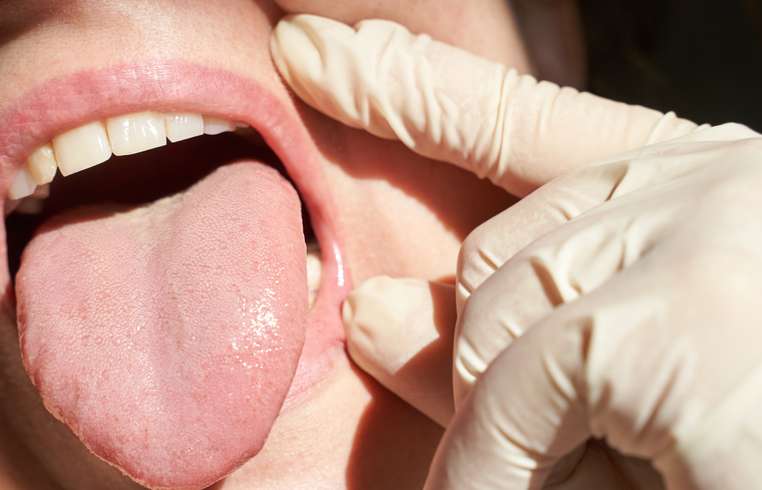
Innovative Research at USC Tests Novel Oral Cancer Prevention Strategy Practical approaches are emerging in the fight against oral cancer at USC's Ostrow School of Dentistry. Researchers are pioneering a groundbreaking clinical trial to assess the effectiveness of imiquimod cream, an immune response modifier already approved for treating skin cancer, on precancerous lesions in the mouth. Oral cancer, although not as widely discussed as some other cancers, carries significant risks and a high mortality rate. It can manifest silently, growing swiftly before visible symptoms become apparent, making early detection critical for successful treatment. Conventional treatments involve surgical removal of cancerous tissue, which often leads to collateral damage including loss of healthy tissue. This new study, led by Parish Sedghizadeh, a clinical dentistry professor, seeks to find a less invasive approach by tackling precancerous lesions proactively. The trial focuses on using imiquimod to activate the immune system, potentially destroying abnormal cells before they evolve into full-blown cancer. The treatment involves applying the cream with a specialized tray over the affected oral areas, since imiquimod is typically used externally. The newly established OralCare Precancer and Pain Clinic at USC, spearheaded by Assistant Professor Anette Vistoso Monreal, is at the forefront of this trial, which is a beacon of hope for patients with limited options. Encouraging initial outcomes from the clinic indicate that the lesions are either shrinking or entirely vanishing without progressing to cancer. This prospect is welcomed as a crucial cancer prevention measure, enabling researchers to track long-term effects and any potential genomic transformations within tissue samples. The trial incorporates advanced scientific methods, including patient-derived organoid models engineered by Associate Professor Dechen Lin, providing tailored insight into treatment effects beyond traditional animal models. This initiative reflects a shift towards preventative care in oncology, aiming to preclude the onset rather than treat established oral cancers. As the project continues, the hope is to affirm that this immunotherapy doesn’t just treat offshoots of the disease but prevents its very inception, thus saving lives before cancer becomes unmanageable.
About usyoo

Categories
Tags