News - Scientists Accused of Trying to Illegally Transport Inactive Mpox Virus
Business Strategy
Scientists Accused of Trying to Illegally Transport Inactive Mpox Virus
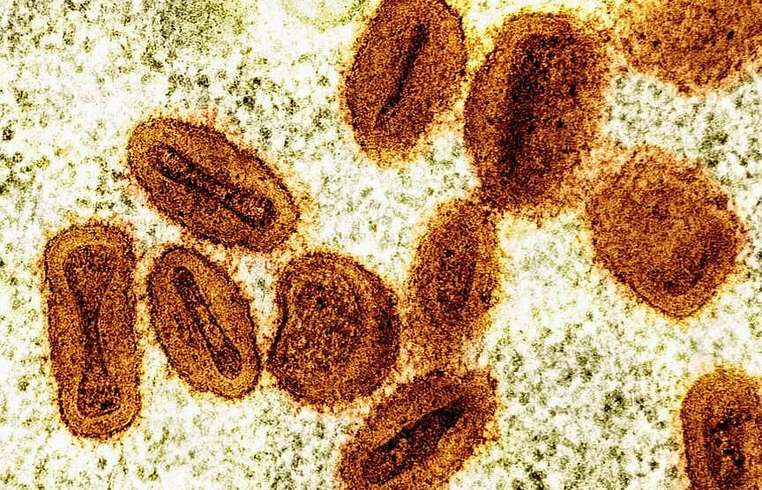
In a significant development, two U.S. government laboratory scientists have been charged with illegally transporting vials of deactivated mpox virus from Africa into the United States and subsequently misleading authorities. The incident highlights alarming breaches in protocol that risked public health, according to officials. Vincent Munster, the chief of the virus ecology section at Rocky Mountain Laboratories in Hamilton, Montana, and his colleague, Claude Kwe, were named in a criminal complaint unveiled in Detroit's federal court. The two were detained at Detroit Metropolitan Airport following their return from a nine-day trip to the Republic of Congo via Paris. Their actions have come under intense scrutiny as Congo grapples with an outbreak of mpox, previously known as monkeypox, having resulted in over 2,000 fatalities in the region. During an interrogation at the airport, Munster denied possessing any biological materials, a statement that was later contradicted by tests showing the presence of deactivated mpox vials in their luggage. The FBI indicated that neither Munster nor Kwe accounted for the vials or secured necessary legal permissions for their transport. “We have serious concerns when there is a deliberate attempt to bypass safety protocols meant to protect the public from potential infectious risks,” stated Marcus Sykes from the Department of Health and Human Services’ inspector general's office. Munster and Kwe have yet to comment publicly; however, court appearances in Missoula, Montana, have been scheduled. The National Institutes of Health, responsible for the lab in question, confirmed its full cooperation with ongoing investigations while remaining tight-lipped due to the investigation's sensitive nature. The purpose behind their attempt to bring back deactivated mpox samples remains undisclosed. Known for their extensive research on mpox, Munster and Kwe’s actions have raised questions about their motives. During their questioning, Munster allegedly dismissed the requirement for documentation, claiming he routinely performs such tasks, a statement now contested by the FBI. The World Health Organization identifies the mpox virus as one primarily causing symptoms like rash and fever, though its implications can be severe in some cases. With roots tracing back to outbreaks in 1958 among monkeys, the virus historically affected humans with animal contact in central and West Africa. However, notable 2022 outbreaks altered its spread dynamics, marking the first instances of sexual transmission and expanding the virus’s reach across over 70 countries.
About usyoo

Categories
Tags