News - Tensions Escalate Amid Accusations Between the US and Iran
Business Strategy
Tensions Escalate Amid Accusations Between the US and Iran
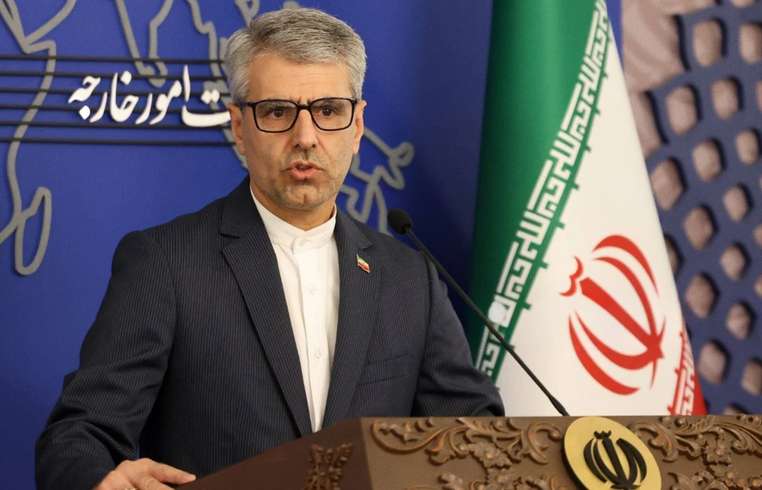
In a striking political development, Iran has vehemently denied accusations leveled by the US Secretary of State, which claim that Tehran is plotting to physically eliminate American officials. This diplomatic altercation unfolds as tensions between the two nations continue to escalate on multiple fronts. Iran's Foreign Ministry spokesperson, Esmail Baghaei, issued a staunch rebuttal, dismissing statements made by US Senator Marco Rubio that accused Iran of planning assassinations of American officials, including the US President. Both countries have been at loggerheads over various geopolitical issues, and these allegations mark an intensification of hostilities. Baghaei's response highlighted a series of grievances, asserting that the accusations are not only baseless but also reflect a longstanding pattern of misinformation by the United States. He characterized these allegations as an attempt by Washington to deflect from its own controversial foreign policy actions. Baghaei accused the US government of seeking to bolster its domestic agenda by projecting accusations that, according to Tehran, lack any substantial evidence. Amidst this rhetorical exchange, international observers have expressed concern over the potential for these accusations to inflame military tensions in the region. Both countries have found themselves in occasional proxy confrontations, and the latest accusations may further destabilize the precarious balance. The Middle Eastern geopolitical landscape is no stranger to conflict, and additional exacerbations could prove detrimental to hopes for regional peace. Baghaei's remarks further underscore a broader Iranian criticism of US foreign policy strategies, which Tehran perceives as aggressive and unjust. The Iranian spokesperson referred to historical instances where, in Tehran's view, Washington's policies have incited unrest and conflict. This cultural and political clash of narratives has been a persistent theme in US-Iran relations over the years. As the international community closely monitors these developments, there is a heightened call from global leaders for diplomatic engagement and dialogue. The specter of further escalation not only threatens bilateral ties but also carries implications for global security. Advocacy for peaceful conflict resolution remains paramount in light of the potential for unforeseen consequences should rhetoric evolve into action. The ongoing diplomatic tension underscores the critical need for balanced media coverage and objective analysis, as misinformation can further entrench geopolitical divides. As both nations stand firm on their respective stances, attention now turns to multilateral efforts to stabilize relations and foster communication aimed at de-escalating hostilities.
About usyoo

Categories
Tags