
News - Israeli Forces Refrain from Firing During Tense U.S.-Iran Negotiations
Business Strategy
Israeli Forces Refrain from Firing During Tense U.S.-Iran Negotiations
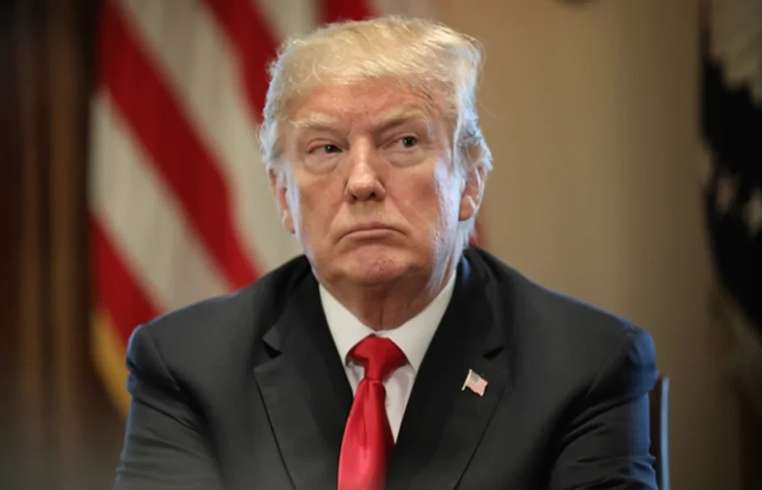
In a dramatic turn of events, Israeli Prime Minister Benjamin Netanyahu and Defense Minister Israel Katz instructed their armed forces to prepare for a significant military operation targeting terrorist infrastructure in the densely populated Dahieh district of Beirut. These orders came amid mounting pressures as Israel’s relationships with neighboring countries teetered on the brink of conflict, particularly with tensions escalating from recent exchanges of fire along the Lebanon-Israel border. The decision to activate military resources was made following intelligence reports indicating imminent threats from Hezbollah operatives planning attacks against Israeli territories. The move was part of a broader strategy to reinforce Israel's deterrence capabilities while demonstrating a strong stance against the persistent threat of terrorism. However, the situation took an unexpected turn when following discussions with U.S. President Donald Trump, Netanyahu decided to hold off the offensive. President Trump, concerned about the international repercussions and possible escalation into a broader conflict, urged for diplomatic channels to be pursued, emphasizing the critical nature of ongoing U.S.-Iran nuclear discussions. He stressed that any military escalation could jeopardize the delicate negotiations aimed at regional stability. Trump’s involvement underscored the United States' strategic interest in preventing further destabilization of the Middle East. Sources indicate that Trump's private diplomacy led to a deal where both Israel and Iran would dial back aggressive postures, including scaling down missile capabilities and reducing provocative military drills. This engagement not only de-escalated the immediate crisis with Hezbollah but also cooled tensions at a time when the geopolitical landscape in the region is highly volatile. For Netanyahu, the decision to pause military action required balancing international diplomatic pressures with domestic political imperatives. Facing criticism from more hawkish elements within his coalition and a public tired of perpetual conflict, Netanyahu's maneuver was seen as a pragmatic approach to prevent war while maintaining military readiness. Meanwhile, this development has added another layer of complexity to Israel’s security calculus, particularly with the backdrop of heightened Iranian influence in the region and the persistent challenge of addressing Hezbollah's arsenal, reportedly growing both in sophistication and number. Netanyahu expressed cautious optimism in leveraging this window of de-escalation, aiming to work closely with the U.S. and other allies to seek sustainable solutions that contain the threat posed by Hezbollah and its regional backers. As Israel navigates these treacherous waters, the situation in Beirut remains a powder keg, with the potential for renewed conflict looming over every diplomatic engagement.
About usyoo

Categories
Tags