
News - Tensions between the US and Europe are escalating: A warning from a former NATO chief
Business Strategy
Tensions between the US and Europe are escalating: A warning from a former NATO chief
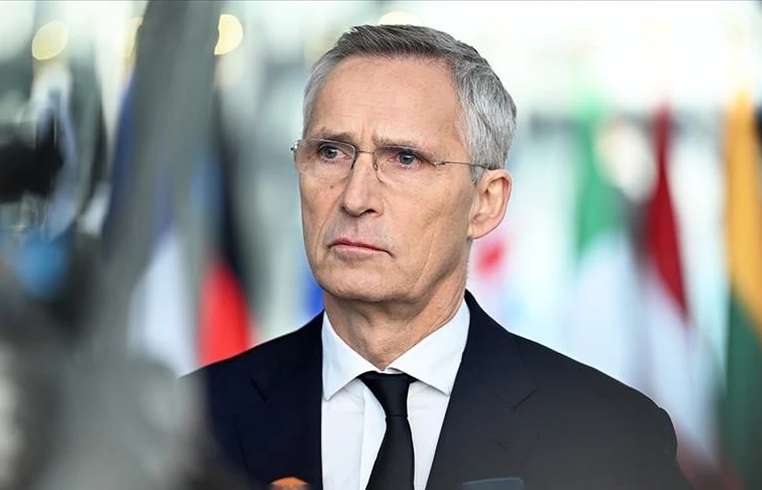
The geopolitical landscape has never been as fraught with complexities and dangers as it is today, according to former NATO Secretary General Jens Stoltenberg. Since leaving office in 2024, Stoltenberg has observed a marked deterioration in relations between the United States and its European allies. In a candid interview from Oslo, he shared that what once was a predictable partnership has morphed into a volatile relationship fraught with disagreements and strategic misalignments. Central to the tensions, Stoltenberg suggests, are varying approaches to international policy, fueled by differing economic interests and domestic pressures on both sides. Highlighting the shift, Stoltenberg's analysis centers around the actions and rhetoric of the US administration, particularly under President Donald Trump. He noted Trump's remarks concerning Greenland, which turned heads worldwide when he suggested the US might attempt to purchase the territory. The suggestion was met with stiff resistance from Denmark, the country that controls Greenland, sparking a diplomatic debacle. Stoltenberg referred to Trump's comments as 'completely unacceptable,' outlining that such moves could severely undermine the longstanding camaraderie and mutual trust that has characterized NATO's history. Stoltenberg's concerns extend to issues of military cooperation and defense strategy. With rising threats from other global powers, he underscores the strategic necessity of a unified front between North America and Europe. However, the former NATO leader worries that internal squabbles and diverging political priorities may hamper joint defense efforts, crucial in countering potential adversaries such as Russia and China. The geopolitical tension has also influenced economic strategies, with differing stances on trade tariffs and climate change regulations becoming points of contention. Stoltenberg argues for diplomacy and dialogue as mechanisms to restore balance and prevent further escalation. He insists that the alliance's strength lies in its ability to adapt and respond to new global challenges collectively, warning that fragmentation could lead to vulnerabilities exploited by outside forces. Stoltenberg's warning serves as a timely reminder of the geopolitical stakes in play, advocating for renewed efforts towards coalition building and repairing trust among NATO member states. His insights reflect a broader concern among political analysts about the direction of US-European relations and the potential implications for global stability and security.
About usyoo

Categories
Tags