
News - Trump Appoints Bill Pulte as Acting Intelligence Director
Business Strategy
Trump Appoints Bill Pulte as Acting Intelligence Director
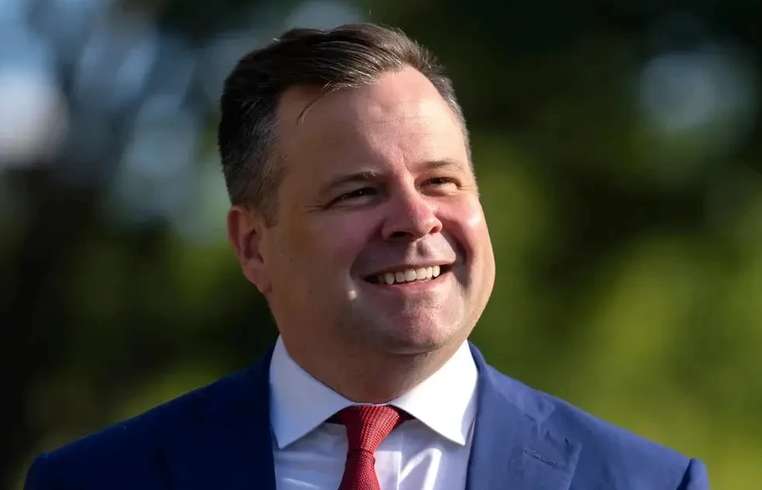
In a surprising move, former U.S. President Donald Trump has appointed Bill Pulte as the acting Director of National Intelligence. This decision follows the abrupt resignation of Tulsi Gabbard, who had been serving in the role. Pulte, a known ally of Trump and current head of the Federal Housing Finance Agency, is set to juggle multiple responsibilities as he assumes this critical national security position. Pulte's appointment has already stirred political waters, as concerns arise over his lack of experience in the intelligence community. Critics argue that bypassing the usual Senate confirmation process undermines the integrity of the appointment, especially since Pulte's background is predominantly in finance and housing, with little to no exposure to intelligence or security-related matters. The White House, however, defends the decision, stating that Pulte is more than capable of steering the agency during this transitional period, emphasizing his leadership skills and loyalty to the former President's vision for national security. Democrats have expressed strong opposition, claiming the move further politicizes intelligence work, potentially compromising its impartiality and effectiveness. They urge for a detailed review of Pulte's credentials and the rationale behind his sudden appointment. Meanwhile, Republicans mostly view the reshuffle as a strategic effort to streamline operations and maintain continuity within the intelligence operations amid current geopolitical challenges. They believe Pulte's fresh perspective could offer innovative solutions to entrenched espionage and cybersecurity issues. As Pulte prepares to step into his new role, the intelligence community watches closely, bracing for potential policy shifts and strategies that may emerge under his leadership. For observers, one pressing question remains—how will Pulte’s financial acumen influence his approach to national intelligence priorities and what impacts will it have on the broader intelligence architecture?
About usyoo

Categories
Tags