News - Дискусія про замороження орендної плати в Нью-Йорку: Уроки стратегії житлового питання Сан-Дієго
Business Strategy
Дискусія про замороження орендної плати в Нью-Йорку: Уроки стратегії житлового питання Сан-Дієго
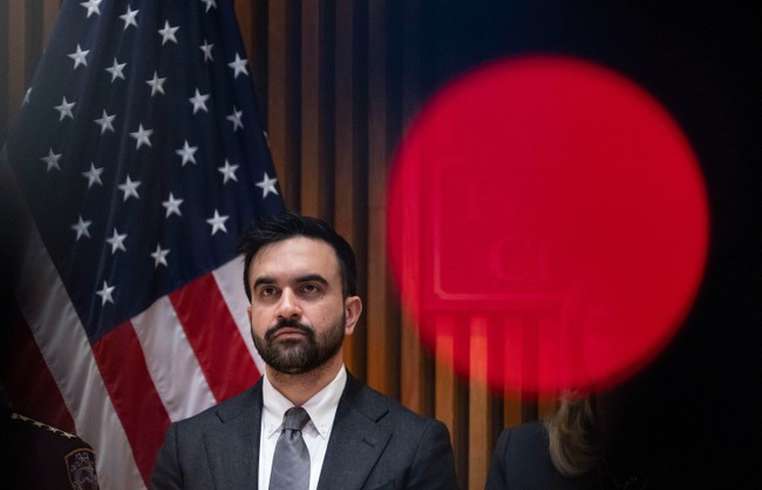
New York City's Mayor Zohran Mamdani is in the spotlight for his proposed four-year rent freeze on roughly 1 million stabilized units, impacting around 2 million tenants. Although Mamdani cannot directly enact the freeze, he holds sway by appointing members to the vital rent board. This initiative, central to Mamdani's campaign, aims to provide immediate relief to tenants. However, a closer examination raises questions about the long-term implications of such a policy. Rent freezes, while momentarily popular among renters, may inadvertently deter real estate development. Skeptics argue that without new housing supply, prices could rise in the future, a concern corroborated by similar scenarios in Los Angeles. Despite its bustling rental market, LA's stringent rent controls have coincided with a steep drop in new apartment constructions, a decrease of 33% in recent years. Conversely, San Diego offers a contrasting blueprint, opting for a streamlined development process sans traditional rent control. This has resulted in a 10% increase in new apartment constructions, signaling a more dynamic housing market. San Diego’s success is attributed to its favorable legal and political environment for developers, which stands in stark contrast to the more restrictive climate in Los Angeles. These differing approaches highlight the complexity of balancing rent control with housing development. As New York grapples with its housing policy, the dynamics in California serve as a potent reminder of the potential outcomes and trade-offs of stringent rent regulations. Mayor Mamdani's policy may provide temporary relief but could also hinder future housing expansion—an issue that policymakers and stakeholders must consider to avoid unintended economic consequences.
About usyoo

Categories
Tags