

News - Нью-Йорк готується до нічних снігових шквалів; видане попередження про можливі проблеми з пересуванням
Business Strategy
Нью-Йорк готується до нічних снігових шквалів; видане попередження про можливі проблеми з пересуванням
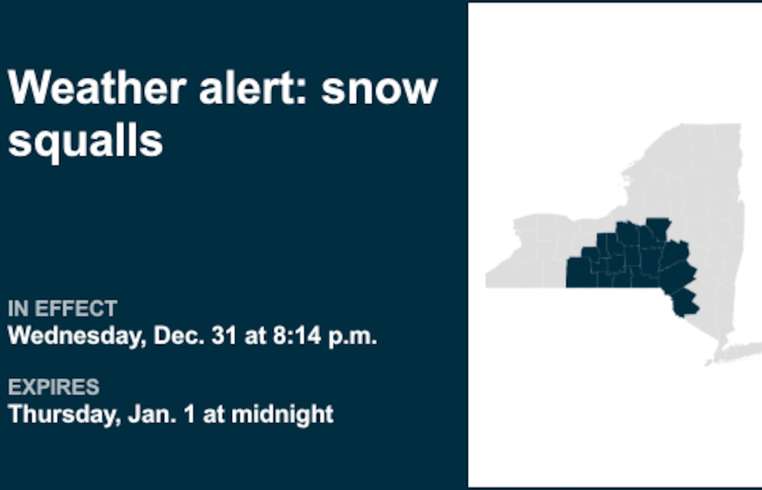
As an Arctic cold front moves over New York, snow squalls are anticipated across a wide swath of counties, prompting the National Weather Service to issue a warning effective from Wednesday evening through early Thursday morning. Areas including Yates, Seneca, Cayuga, Onondaga, and others are advised to prepare for rapidly changing conditions, with intense bursts of snow and winds likely. These squalls, characterized by brief, heavy snow and near-zero visibility, will create challenging travel conditions as roads swiftly turn slippery and visibility plummets. Historically, snow squalls differ from prolonged snowstorms due to their brief but ferocious nature, typically lasting less than an hour. Despite limited snow accumulation, they present considerable hazards, particularly for drivers. Reduced visibility, gusty winds, and dropping temperatures have historically contributed to dangerous road incidents. Issued similar to tornado and severe thunderstorm alerts, snow squall warnings call for immediate action. When such warnings are issued, it is crucial to heed safety advice, including postponing travel and staying informed about conditions, especially if on the road. Key safety measures outlined by the National Weather Service include: - Avoiding driving during a warning unless absolutely necessary as conditions can deteriorate rapidly. - Reducing driving speed and increasing visibility by using low-beam headlights and hazard lights. - Maintaining ample distance between vehicles and avoiding sudden braking to prevent accidents on ice-laden roads. Winter prepares should extend beyond individual caution to vehicle readiness. Pre-travel checks on tires, brakes, and fluid levels help ensure safe navigation through winter threats. Essential vehicle emergency kits—including food, water, warm clothing, and communication tools—are also crucial for preparedness. These measures ensure safer passage through potentially perilous weather, underscoring the importance of vigilance and preparedness in mitigating travel risks during snow squalls.
About usyoo

Categories
Tags