News - Судова помилка у справі Кленсі викликає дебати, підтримка перевищила 1 мільйон доларів
Business Strategy
Судова помилка у справі Кленсі викликає дебати, підтримка перевищила 1 мільйон доларів
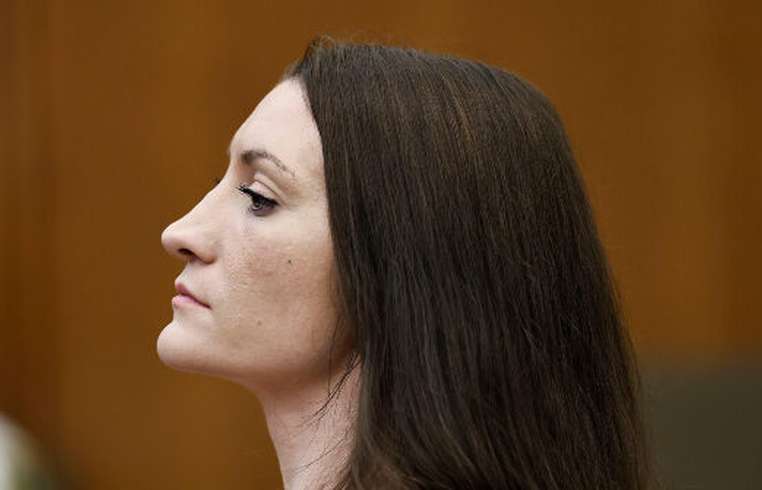
The recent mistrial in the Lindsay Clancy case, a mother accused of murdering her three young children in Massachusetts, has stirred intense public debate. Clancy's controversial trial ended without a unanimous verdict, with the jury fiercely divided over her plea of insanity due to postpartum psychosis. This legal impasse comes amid a backdrop of polarized public opinion. Some fervently argue for harsh punishment for such a tragic act, while an escalating wave of public empathy focuses on her mental health struggles. The case has seen overwhelming support materialize in a GoFundMe campaign, raising over $1 million for Clancy's parents to aid in their ongoing support for her. Clancy, charged with the first-degree murder of her children, Cora, Dawson, and Callan, reportedly admitted to the act but claimed she was not in control due to severe mental illness exacerbated by postpartum conditions. As the courtroom drama unfolded, shocking the nation, even former President Donald Trump weighed in, acknowledging the complexity and severity of her actions but indicating another trial may be his expectation. The mistrial pivots on Clancy's deteriorating mental state weighed against the calculated nature of the crime, a point that caused considerable deliberation distress among jurors. While Clancy's defense pointed to her suicidal intentions, which left her paraplegic following a failed attempt, the prosecution argued her awareness of wrongdoing due to her calculated methodology. Public sentiment seems bifurcated. A significant portion of the population is rallying to highlight and understand maternal mental health crises while others remain steadfast in their demand for accountability. The donations that continue to accumulate for Clancy's family reflect this growing empathy and societal awareness. The Clancy case has leveraged widespread media coverage and drawn both onlookers and donations from all corners of the globe. As her next court date approaches, where decisions about future legal strategies will be made, society continues to grapple with the haunting realities of this case, with support demonstrating an evolving perspective on mental health and motherhood under pressure. Meanwhile, Lindsay Clancy is receiving care at Tewksbury Hospital, a psychiatric institution where she resides under close supervision. Her next legal steps remain uncertain as Massachusetts legal authorities are yet to confirm a retrial or possible dismissal. Ultimately, this case sheds light on the urgent need for a national discourse on mental health illnesses like postpartum psychosis, hoping to prevent future tragedies. As the legal system proceeds with caution, Clancy's story stands as a poignant reminder of the complex tapestry of justice and mental health.
About usyoo

Categories
Tags