News - Запуск підводного човна Китаєм викликав напруження в Тихоокеанському регіоні
Business Strategy
Запуск підводного човна Китаєм викликав напруження в Тихоокеанському регіоні
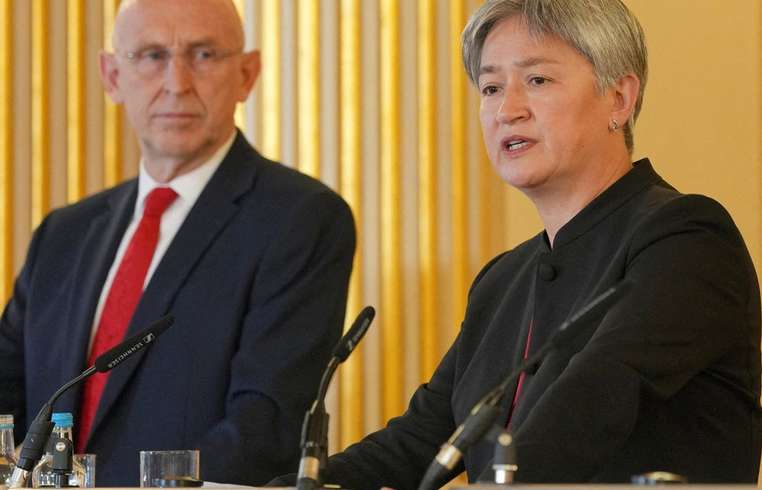
In a strategic move that has ruffled feathers across the Pacific, China conducted a strategic test-launch of a long-range ballistic missile from one of its nuclear-powered submarines on Monday, deepening concerns about regional security dynamics. The test, executed in the South Pacific, saw a dummy warhead launched, prompting a chorus of protests from neighboring nations worried about stability and security. Official channels described it as a routine training exercise complying with international norms, a sentiment broadcast by Xinhua News Agency and echoed by China's Ministry of Defense. The launch follows China's precedent of periodic tests, reminiscent of practices by superpowers like the United States, although it was the first in the Pacific in two years since an ICBM was tested in 2022. The move showcased China's strategic posture and expanding military capabilities, aligning with its broader goal of modernizing the People's Liberation Army. Australia, New Zealand, and Japan expressed significant disapproval, particularly due to the launch's trajectory through the South Pacific Nuclear Free Zone delineated by the Treaty of Rarotonga. Notably, China, a signatory to the treaty’s protocols since 1987, had assured the absence of nuclear testing or threats in the region. The timing of the missile test coincided with the signing of a new Australia-Fiji defense alliance designed to bolster regional security against growing Chinese sway, underscoring the tense geopolitical atmosphere. Australian Foreign Minister Penny Wong labeled the exercise a destabilizing factor, while New Zealand underscored the launch's conflict with longstanding regional peace assurances by Foreign Minister Winston Peters. The event also elicited a strong response from Japan, which urged restraint to avoid compromising its national security, further emphasized by Tokyo's immediate diplomatic outreach post-notification from Beijing. Meanwhile, China maintained its stance, appealing for restraint in overinterpretation by international observers, dismissing criticisms. Beijing’s sustained pursuit of nuclear technology, highlighted by its commitment to a 'no first use' nuclear policy, dovetails with intelligence assessments forecasting a significant augmentation of its nuclear capabilities by the end of the decade. The Pentagon's 2025 report to Congress on China's military expansion highlights a trajectory toward a sizeable bolstering of its nuclear warhead arsenal, aiming for more than 1,000 by 2030, further complicating the global strategic balance of power and elevating the importance of diplomatic engagements to mitigate escalating tensions.
About usyoo

Categories
Tags