News - انتخابات پرو به دور دوم فشردهای کشیده میشود
Business Strategy
انتخابات پرو به دور دوم فشردهای کشیده میشود
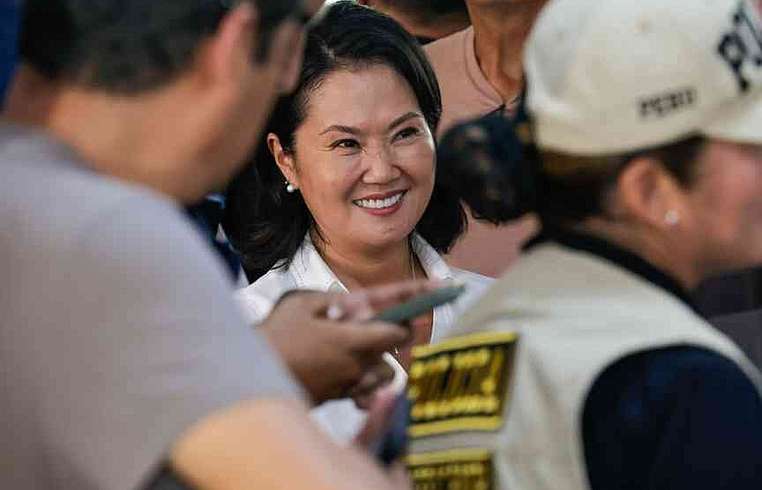
In Peru, the run-up to electing a new president has been marked by dramatic races and logistical challenges. Conservative candidate Keiko Fujimori, daughter of the once-jailed former president, has again captured the spotlight with 16.98% of the votes, while nationalist Roberto Sánchez follows with 12.04%, according to Wednesday’s tally with 90% of ballots counted. Meanwhile, ultraconservative Rafael López Aliaga finds himself trailing closely behind. Voting in the elections held over the weekend was hindered when ballots arrived late, prompting an unprecedented extension of the voting process into Monday. This allowed an extra 52,000 residents of Lima and dispersed Peruvians in areas like Orlando and Paterson to cast their votes. As dictated by Peruvian electoral law, a candidate must secure more than 50% of the vote to win the presidency in one round. With no candidate meeting this threshold, the top two will proceed to a runoff scheduled for June 7. This election is unfolding in a country currently seeing its ninth president in just a decade. José María Balcázar, the interim president, assumed office following the ousting of his predecessor over corruption charges. Keiko Fujimori's presidential platform emphasizes a tough stance on crime, proposing controversial judicial reforms meant to tighten proceedings against criminals. However, this contradicts laws she supported reducing preliminary detention and raising limits on asset seizures. On the other hand, Roberto Sánchez has a plan steered by compassionate governance, promising presidential pardons for political allies while donning a traditional hat honoring his mentor, Pedro Castillo, who is imprisoned for rebellious activities. Mandatory voting is enforced in Peru, with non-participation fined for those aged 18 to 70. The political landscape remains turbulent with crime and corruption concerns mounting among the populace who feel candidates aren’t transparent or fit. Amid this political upheaval, Peru's economic outlook has been paradoxically positive. The country, buoyed by copper exports, reported a resilient 3% growth over two consecutive years, compared to its earlier growth rates of 5%-6% in the 2000s. Experts credit part of this stability to the consistent leadership of the central bank’s president, ensuring confidence in Peru’s financial framework amid its political volatility.
About usyoo

Categories
Tags