News - بوداپست برای اعتراض روم ها نسبت به اظهارات دولت آماده میشود
Business Strategy
بوداپست برای اعتراض روم ها نسبت به اظهارات دولت آماده میشود
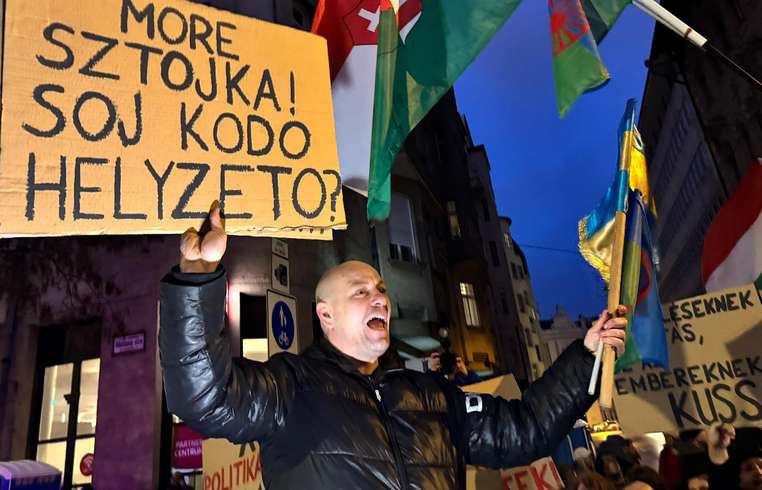
BUDAPEST, Hungary -- In a display of unity and defiance, over a thousand demonstrators from Hungary's vibrant Roma community gathered in the heart of Budapest to demand accountability and change from the upper echelons of government. This gathering, sparked by incendiary remarks from János Lázár, a senior minister within Prime Minister Viktor Orbán's administration, reverberated across the nation as the Roma claimed their place in the national discourse. The hub of these protests was the office of Lázár himself, who had recently described the Roma as a 'reserve' workforce able to mitigate Hungary's labor shortages by performing menial tasks dismissed by others. This rhetoric struck a particularly sensitive nerve within the Roma population, approximately one million strong and historically subjected to marginalization and discrimination. Lazlo Soltész, a protester of Roma descent, poignantly highlighted the community's historical contributions to Hungary, only to face continued ostracization. "We've bled for this nation, and still, they want to relegate us to cleaning their dirt," said Soltész, his voice echoing shared sentiments of frustration and solidarity. Lázár's comments surfaced amidst an election season where alienating the Roma could spell political peril for the ruling Fidesz party. Criticism has flooded in from both internal and external quarters, with activists and influential figures within the Roma community expressing deep offense. Despite Lázár's public apology, which he claimed was a result of miscommunication, the damage appeared significant and unforgiving. Fueling the political fire, the opposition Tisza party seized upon the misstep, with its leader Péter Magyar openly condemning the remarks, further boosting Tisza's strong performance in pre-election polls. The fate of Hungary's long-serving leadership might just hinge upon these social fissures and whether they galvanize Roma support against Orbán's regime. At the protests, symbols of the Roma resistance flew high — Romani flags side by side with toilet brushes, the latter serving as a cutting repudiation of Lázár's belittling implications. In a charged address, Roma artist István Szilvási channeled the community's anguish and resolve, urging election day action; the Roma would not be silent nor sidelined come April 12th. While Fidesz has attempted to mitigate fallout by portraying opponents as divisive, the persistence of these protests implies a broader reckoning within Hungarian society. As Budapest's streets swarmed with protesters committed to reclaiming dignity and demanding equality, Hungary confronts not merely a governmental crisis but a moment of profound social reflection.
About usyoo

Categories
Tags