

News - آگهیهای بحثبرانگیز ماه افتخار، بحثهایی را در بازاریابی غذایی به راه انداختهاند
Business Strategy
آگهیهای بحثبرانگیز ماه افتخار، بحثهایی را در بازاریابی غذایی به راه انداختهاند
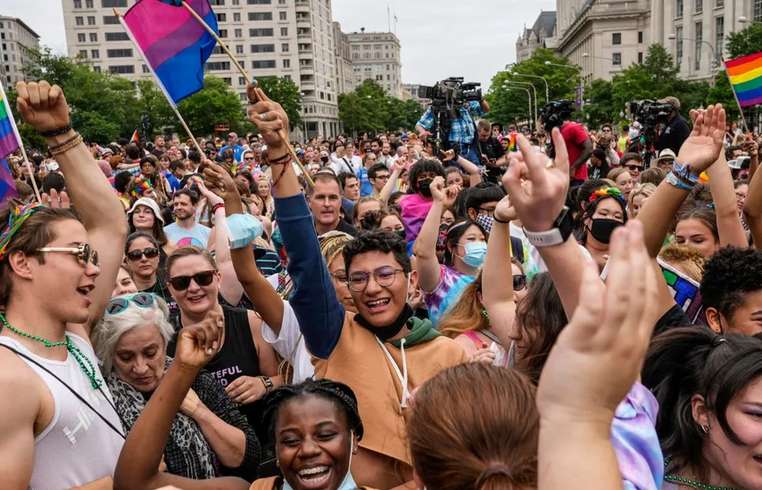
In an attempt to embrace and celebrate Pride Month, popular meal-kit companies HelloFresh and Blue Apron found themselves in hot water over marketing strategies that have provoked both laughter and controversy. Each brand chose to craft messages that humorously alluded to themes associated with Pride, but the execution left much to be desired. Kicking off the controversy, HelloFresh's marketing team posted a message that seemed to toy with taboos rather than tact. The message, aimed at customers in Brooklyn, New York, alluded to anal sex practices, by encouraging consumers to try their high-fiber recipes, seemingly suggesting dietary preparation for such activities. This not-so-subtle nod to the intimate theme was meant to be inclusive but struck many as inappropriate and in poor taste. Seizing a chance to differentiate themselves, Blue Apron responded in kind, albeit with a supposed dash of humor. Their promotional content suggested that, while eating out can be an adventure, there's something uniquely fulfilling about staying in and indulging in the familiarity of their meal kits—hinting at sexual innuendos with references to 'diving into a satisfying box at home.' Criticism was swift and humorous across social media, with users highlighting what they saw as a lapse in judgment from both brands. Many argued the promotions lacked the dignity and thoughtfulness that should accompany campaigns recognized as part of the Pride celebration. Instead of bringing communities together, many found these attempts alienating. The backlash faced by HelloFresh and Blue Apron poses an important question to marketers about the fine balance between boldness and respect. It highlights the risk of overshadowing vital community support with attempts at humor that cross into contentious territory. As food brands continue to celebrate diversity, there’s a growing need for more sensitive and thoughtful engagement with themes of inclusion. Modern marketing requires not only creativity but also a deep understanding of the diverse audiences being addressed. Brands must ensure their messages translate into genuine camaraderie rather than crude connotations, ensuring that inclusive celebrations feel welcoming rather than controversial to all those they aim to honor.
About usyoo

Categories
Tags