News - شبکه پیبیاس به دلیل پوشش اعتراضات به جای جنجالهای مربوط به پلیس تحت فشار قرار گرفته است.
Business Strategy
شبکه پیبیاس به دلیل پوشش اعتراضات به جای جنجالهای مربوط به پلیس تحت فشار قرار گرفته است.
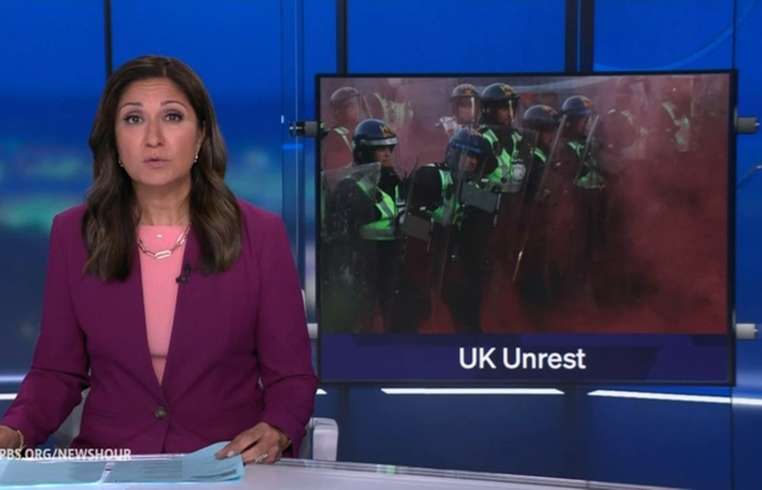
PBS News Hour recently aired a segment addressing two high-profile cases involving 'I can't breathe' pleas during police interactions that have sparked significant public and media attention. With a focus on the recent overturning of homicide convictions in the 2019 death of Elijah McClain in Colorado, the segment drew parallels to the tragic case of George Floyd, emphasizing a judicial reconsideration of paramedics' roles during the incident. In another part of the world, the program delved into a racially charged incident from Southampton, United Kingdom, where young Henry Nowak was posthumously thrust into the spotlight. Nowak, an 18-year-old, was fatally stabbed by Vickrum Digwa, yet in a controversial twist, he was the one handcuffed by police following an unfounded allegation of racial abuse by his attacker. This police response, captured on bodycam, dismissed Nowak's desperate 'I can't breathe' pleas, eliciting strong reactions from the public and fueling discourse on potential racial biases within the police force. The fallout in Southampton sparked sizable demonstrations, with Britain’s far-right factions amplifying the case as evidence of systemic bias against native citizens by 'woke-trained' officers. Despite the release of incriminating bodycam footage, PBS’s coverage, helmed by anchor Amna Nawaz, was critiqued for downplaying the police's misconduct and instead centering on the subsequent protests, which led to injuries among law enforcement personnel and a national conversation on public order and race relations. British Prime Minister Keir Starmer's condemnation of the violence underscored deep societal divisions. Nawaz’s portrayal framed the protests as a 'far-right' reaction, while omitting a detailed critique of the policing failures that contributed to Nowak's unjust detainment and eventual death. The segment also faced backlash for its brief attention to Henry Nowak’s story, seen as unequal when compared to the earlier mentioned McClain case, suggesting a potential bias in editorial emphasis.
About usyoo

Categories
Tags