
News - Exagente de la CIA advierte sobre la necesidad de mayor precaución con China
Business Strategy
Exagente de la CIA advierte sobre la necesidad de mayor precaución con China
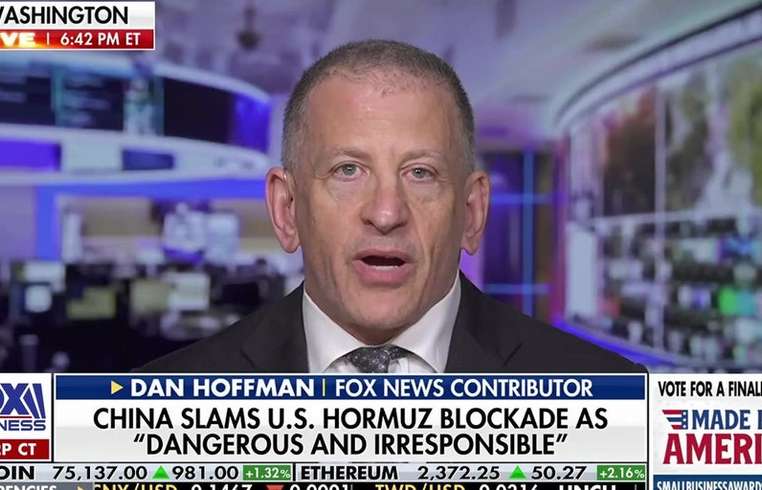
In a recent segment on 'The Bottom Line,' former CIA station chief and current Fox News contributor Dan Hoffman expressed concerns about the diplomatic strategy between the United States and China, characterizing it as a 'mistrust and verify' situation. Hoffman’s remarks come ahead of a pivotal summit between President Donald Trump and Chinese President Xi Jinping, raising questions about the future of U.S.-China relations. The U.S. approach, as described by Hoffman, implies a careful balancing act of skepticism and engagement, highlighting the intricacies and challenges facing diplomatic interactions with China. As President Trump prepares for the high-stakes meeting with President Xi, Hoffman's commentary sheds light on the complexities that define this geopolitical relationship. According to Hoffman, the term 'mistrust and verify' reflects a strategic posture where both acknowledgment of potential common goals and cautiousness regarding China's global ambitions coalesce. He emphasized that while cooperation is vital, vigilance is equally necessary to safeguard national interests. Hoffman noted the backdrop of increasing tensions around trade, technological advancements, and regional security concerns that complicate U.S.-China diplomacy. The upcoming discussions between Trump and Xi are anticipated to explore these contentious topics, amid an environment where both cooperation and competition persist. During the broadcast, Hoffman also underscored the importance of transparency and accountability in ensuring that diplomatic engagements yield constructive outcomes. He suggested that navigating this complex relationship requires clarity in communication and steadfastness in policy objectives. As the world watches, the impending dialogue between Trump and Xi will serve as a crucial indicator of future trajectories in U.S.-China relations. Hoffman's insights stress the need for a nuanced approach, blending cautious engagement with strategic analysis to effectively manage this critical bilateral relationship.
About usyoo

Categories
Tags