

News - Manuscritos antiguos revelados: rayos X e inteligencia artificial desvelan secretos de hojas de palma
Business Strategy
Manuscritos antiguos revelados: rayos X e inteligencia artificial desvelan secretos de hojas de palma
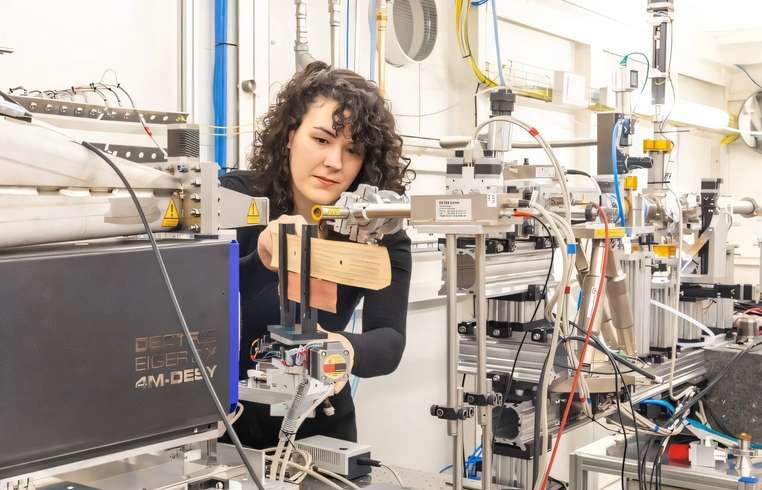
In a groundbreaking study, scientists have employed X-ray analysis complemented by advanced machine learning techniques to decipher the material composition and manufacturing processes of ancient palm leaf manuscripts. This initiative not only preserves the fragile documents but also offers a non-invasive method to analyze historical texts. By examining 160 manuscript samples across South and Southeast Asia, the researchers successfully identified plant species and detected processing residues without damaging the leaves. The study highlights significant variations in the physical characteristics of the manuscripts that correlate with their botanical origins and the specific preparation techniques used during their creation. This research, published in npj Heritage Science, indicates how traditional knowledge and modern technology can merge to enhance our understanding of cultural artifacts. However, despite these advancements, pinpointing the exact geographical provenance of the manuscripts continues to challenge researchers due to the complex interrelation of historical trade routes and environmental influences. One notable revelation from the study is the ability to distinguish manuscripts based on the plant species used and the processing methods apparent in the historical record. This not only aids in dating and authenticating the texts but also provides insight into the ancient economies and trade practices. Additionally, the findings could potentially inform conservation strategies, ensuring the longevity of these irreplaceable historical records. The international team utilized innovations in synchrotron X-ray analysis to conduct non-destructive, high-resolution imaging of the manuscripts, which provided detailed maps of their material composition. This method allowed for the preservation of historical integrity while delivering unprecedented insights into the craftsmanship behind each document. By integrating these imaging techniques with machine learning algorithms, researchers were able to automate the identification of crucial features like plant type and preparation elements. Though the methodologies show great promise, challenges persist in analyzing factors like environmental wear and adaptation, which may alter original material characteristics. The team stresses that further development and refinement of these techniques could eventually resolve many current limitations. Overall, the research presents a transformative approach to studying ancient manuscripts, opening new avenues for historians and conservationists to explore the dynamic history encapsulated within these palm leaf collections. By providing a technological bridge between past and present, such studies pave the way for deeper historical insights and more robust preservation techniques.
About usyoo

Categories
Tags