
News - El término de SCOTUS redefine el poder ejecutivo de la era Trump
Business Strategy
El término de SCOTUS redefine el poder ejecutivo de la era Trump
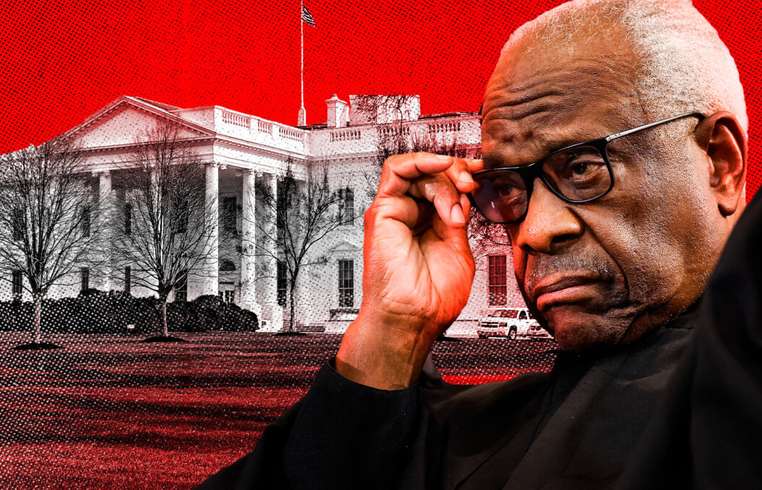
In the recently concluded 2025–2026 term of the U.S. Supreme Court, the central focus was on presidential power and the court's role in defining its limits. This term caught significant attention due to President Donald Trump's aggressive approach in utilizing executive authority extensively, just as he did in his earlier term. Trump had taken bold actions bypassing Congress, raising questions about the reach of executive overreach and its constitutional boundaries. Despite Trump's losses in various cases when they reached the Supreme Court, the support he enjoyed from certain quarters on the bench, particularly Justice Clarence Thomas, was striking. Thomas proved to be a consistent advocate of unchecked executive authority, arguing in favor of Trump's unilateral decisions in significant issues like tariffs and immigration. One prominent case involved the president's tariff-making powers. A majority of the justices, six to be exact, including two appointed by Trump, ruled against his administration, citing that the power was reserved for Congress. Yet in his dissent, Justice Thomas argued for unlimited delegatable powers to the executive branch, thereby redefining constitutional norms around the separation of powers. Thomas's legal philosophy extended to immigration matters as well, demonstrated in the case Mullin v. Doe, where he supported stripping Haitian and Syrian nationals of temporary protected status. While the majority opinion led by Justice Alito found a race-neutral justification to uphold the administration's decision, Thomas went further by questioning the court's right to challenge the executive on matters of constitutional authority. The outcomes of these rulings signify an enduring legacy of expanded presidential powers due to Supreme Court interpretations. As interpretations evolve, the checks on executive authority remain a contentious topic, fundamentally impacting governance in the United States. The current expansion of presidential power, accelerated by specific judicial endorsements, is likely to influence the balance of power within the federal government for years to come.
About usyoo

Categories
Tags